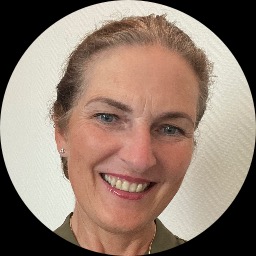
Leslie Milne, BACP
Leslie Milne is a counsellor who supports people dealing with relationship worries, family tension, grief, low self‑esteem and depression.
About Leslie
Leslie Milne is a counsellor who supports people dealing with relationship worries, family tension, grief, low self‑esteem and depression. She writes plainly and listens closely to understand what matters most to each person. Her aim is to help people take the next small step when life feels overwhelming.
She works in a warm, respectful way and adapts sessions to suit individual needs. Leslie focuses on practical conversation and building skills that can be used between meetings.
Background and approach
This often means identifying unhelpful thinking, noticing emotional patterns and trying simple changes to daily routines. Leslie uses client-centred conversations to make people feel heard. She also draws on Cognitive Behavioural Therapy, which looks at links between thoughts, feelings and behaviour.
Emotionally-Focused Therapy ideas are used when relationships and attachment come up in sessions. With 12 years of experience in the United Kingdom, Leslie has supported people through loss, divorce and communication breakdowns. She also helps with issues such as body image, addiction, codependency and feelings of emptiness or guilt.
Her practice is grounded in respect, sensitivity and compassion. Practical matters are covered together, including what to try between sessions. She encourages clients to set manageable goals and to notice small changes over time.
The pace is set by the person seeking help, and the plan is reviewed as they progress.
Registration
| Body | Registration number | Expires |
|---|---|---|
| BACP | 100064 | April 2026 |
Registration details are as listed on the counsellor's public profile. You can check any number with the registering body.
Sessions and payment
Sessions are held online through our partner platform, by video, phone or messaging depending on the counsellor.
Costs are shown on the partner platform before you commit. If cost is a concern, ask about reduced-fee options.
Focus areas and approaches
What Leslie works with
Everything Leslie lists, in their own terms.
- Relationship issues
- Family conflicts
- Grief
- Self esteem
- Depression
- Abandonment
- Antisocial personality
- Attachment issues
- Avoidant personality
- Blended family issues
- Body image
- Codependency
- Commitment issues
- Communication problems
- Divorce and separation
- Domestic violence
- Drug and alcohol addiction
- Eating and food-related issues
- Emptiness
- Guilt and shame
- Hearing impaired
- Hospice and end-of-life counselling
- Impulsivity
- Isolation / loneliness
- Life purpose
- Money and financial issues
- Narcissism
- Obsessions, compulsions, and OCD
- Panic disorder and panic attacks
- Process addiction (porn, exercise, gambling)
- Self-harm
- Self-love
- Sex addiction
- Sexual assault and abuse
- Sexual dysfunction
- Sexuality
- Social anxiety and phobia
- Women's issues
- Workplace issues
- Young adult issues
Approaches Leslie lists
- Client-Centred Therapy
- Cognitive Behavioural Therapy (CBT)
- Emotionally-Focused Therapy (EFT)
- Imago Relationship Therapy
- Mindfulness Therapy
- Solution-Focused Therapy
- Trauma-Focused Therapy
Listing an approach is not evidence of training in it. This directory copies what each counsellor names and does not check training records.
Online support
Cognitive Behavioural Therapy, or CBT, focuses on identifying unhelpful thoughts and testing small behavioural changes. It works well for low mood and anxiety because it gives practical tools to try between sessions, like tracking thoughts and planning manageable activities.
Emotionally-Focused Therapy looks at patterns of emotional connection in relationships. It helps people recognise attachment needs and respond differently in close relationships, which can reduce repeating cycles of conflict or withdrawal.
Finding the right approach is part of the work. Leslie will discuss options and help decide what fits a person's goals and preferences. The choice is collaborative and can be adjusted as progress is made.
Online sessions can be held by video, phone, live chat or text-based messaging. Video calls are useful for face-to-face conversation and visual cues. Phone sessions can be easier when bandwidth is limited or for shorter check-ins. Live chat and messaging suit people who prefer writing or need more flexible, brief contacts. These options make it easier to fit therapy into busy lives and can increase access for international clients and those who need more flexible scheduling.
Frequently asked
What kinds of problems does Leslie help with?
She supports people facing relationship and family difficulties, grief, low self‑esteem and depression. Additional areas include communication problems, addiction issues and body image concerns.
How would you describe her therapeutic style?
Her style is warm and practical. Sessions focus on listening, building skills and making small changes that fit daily life.
What experience does she bring?
Leslie has 12 years of professional experience working in the United Kingdom. She has supported people through loss, separation and relationship breakdowns.
What professional credential does she hold and where is she based?
She holds BACP accreditation and practises in the United Kingdom.
Which languages are supported for sessions?
Sessions are offered in English. International clients may also be supported.
What session formats are available?
Work can take place by video calls, phone sessions, live chat or text-based messaging depending on the client's preference.
How does payment and cost work?
Cost varies with location and therapist availability. Sessions use a subscription model that clients can cancel at any time.
How do I begin if I want to work with her?
Start by selecting the Start Therapy button and completing a short matching questionnaire. After that you can schedule sessions according to therapist availability.
Update or remove this listing
Ask us to correct details or take the page down.
Contact us