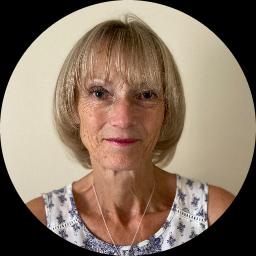
Christine Fleming
NCPS
3 years in practice NCPS
Calm, practical support for difficult times
- Stress & Anxiety
- Grief
- Self Esteem
UK counsellors online
2,343 counsellors name women's issues among the things they work with. All offer sessions online across the United Kingdom; each profile shows their register, experience and languages.
Explore counsellors who specialise in women's issues, from reproductive and perinatal concerns to relationship and life-stage transitions. Use the listings below to read profiles, compare approaches and learn about counsellors' qualifications and languages.
NCPS
3 years in practice NCPS
Calm, practical support for difficult times
BACP
3 years in practice BACP
Compassionate counsellor with a human approach
BACP, NCPS
9 years in practice BACP, NCPS
Compassionate counsellor for everyday struggles
BACP
10 years in practice BACP
Compassionate counsellor using ACT and mindfulness
15 years in practice BACP
Experienced counsellor helping with anxiety and depression
NCPS
7 years in practice NCPS
Supportive counsellor for life changes
BACP
4 years in practice BACP
Practical counselling for stress and life change
BACP, NCPS
14 years in practice BACP, NCPS
Compassionate counsellor blending practical and reflective therapy
NCPS
5 years in practice NCPS
Gentle person-centred counselling for life changes
3 years in practice BACP English, Spanish
Practical, compassionate counselling for depression and stress
NCPS
10 years in practice NCPS
Gentle, practical support for difficult feelings
BACP
8 years in practice BACP
Warm, person-centred counsellor for life changes
NCPS
4 years in practice NCPS
Practical, creative support for depression and stress
NCPS
5 years in practice NCPS
Calm, practical support for everyday overwhelm
BACP
13 years in practice BACP
Compassionate client-centred counsellor
NCPS
3 years in practice NCPS
Calm, practical support for everyday struggles
BACP
3 years in practice BACP
A practical counsellor for everyday struggles
BACP
6 years in practice BACP English, Thai
Warm culturally aware counsellor
BACP
6 years in practice BACP
Hopeful support for depression and life changes
BACP
6 years in practice BACP
Compassionate counsellor for anxiety and life change
NCPS
3 years in practice NCPS English, Spanish
Compassionate person-centred counsellor
BACP, NCPS
5 years in practice BACP, NCPS
Practical, values-led counselling and CBT support
15 years in practice BACP English, French
Experienced counsellor for stress and mood
BACP
8 years in practice BACP English, French
Calm, practical support for life changes
BACP
19 years in practice BACP
Compassionate counsellor for everyday struggles
BACP
5 years in practice BACP
Supportive Person-Centred Counsellor
BACP, NCPS
8 years in practice BACP, NCPS
Gentle, practical support for low mood and stress
BACP
8 years in practice BACP
Practical, person-focused counselling
BACP
3 years in practice BACP
Practical support for grief and life changes
BACP
27 years in practice BACP English, Portuguese
Empathetic counsellor for life and relationship challenges
BACP
5 years in practice BACP
Compassionate counsellor for life transitions
BACP
15 years in practice BACP English, Yoruba
Calm, practical support for life's challenges
BACP
15 years in practice BACP
Compassionate counselling for stress and life changes
BACP
7 years in practice BACP English, Polish
Compassionate counsellor for steady recovery
BACP
9 years in practice BACP
Person-centred counsellor for everyday struggles
BACP
7 years in practice BACP
Practical, respectful support for depression and stress
BACP
11 years in practice BACP
Practical support for stress and depression
NCPS
4 years in practice NCPS
Kind, practical counselling for difficult life changes
BACP
3 years in practice BACP
Compassionate counsellor for mood and life changes
BACP
7 years in practice BACP
Compassionate counsellor for practical change
BACP
4 years in practice BACP
Gentle, practical therapy for everyday struggles
BACP
12 years in practice BACP English, Hindi
Compassionate counsellor focused on practical change
BACP
5 years in practice BACP
Experienced integrative counsellor for depression and stress
BACP
8 years in practice BACP
Compassionate counsellor for depression and life changes
NCPS
5 years in practice NCPS
Calm, practical therapy for daily struggles
BACP
5 years in practice BACP
Compassionate counsellor for depression and relationships
BACP
17 years in practice BACP English, Italian
Warm, multicultural counsellor focused on meaningful change
BACP
3 years in practice BACP
Compassionate counsellor supporting practical recovery
We will earn a commission if you sign up through our link, at no cost to you.
Women's issues is an umbrella term that covers a wide range of emotional, relational and life-stage concerns that commonly affect people who identify as women. These can include challenges linked to reproductive health such as fertility struggles, pregnancy loss and perinatal mood changes, difficulties associated with the menopause, experiences of abuse or trauma, body image and eating concerns, and gendered pressures that shape how you relate to work, family and self. Social and cultural expectations, discrimination and the demands of caring roles can all intensify distress and leave you feeling overwhelmed, isolated or uncertain about the next steps.
If you are seeking support it may be because day-to-day routines have become harder to manage, relationships feel strained, or you notice shifts in mood, sleep or confidence that you cannot easily resolve on your own. Counselling for women's issues aims to create a focused space where you can explore how these pressures affect your thoughts, feelings and behaviour and work towards clearer goals for coping, healing or practical problem solving. The emphasis is on your experience, your priorities and a collaborative process that recognises the specific ways gender and life stage can influence wellbeing.
Deciding to look for counselling often comes after a period of struggle or reflection. You might find that feelings of anxiety or low mood are persistent rather than occasional, that relationships with partners, family members or colleagues have become more fraught, or that events such as a miscarriage, difficult pregnancy, or menopausal change have left you unsettled. Some people notice new or worsening physical symptoms such as disrupted sleep, headaches or changes in appetite that seem linked to stress. Others feel stuck in unhelpful patterns of thinking or behaviour, or replay painful memories that affect daily life.
It is also common to seek help when you are planning a transition - returning to work after maternity leave, navigating separation, or making decisions about future family planning. You might simply want a space to make sense of how societal expectations have influenced your choices and identity. Counselling can help you develop practical coping strategies, process grief or trauma, and build a clearer sense of what you want next. If you are unsure whether counselling is right for you, reading counsellor profiles and approach descriptions can help you identify practitioners whose focus aligns with your concerns.
When you begin counselling the early sessions are usually about building a relationship and clarifying what you want to work on. You and your counsellor will explore your current difficulties, relevant history and what a meaningful outcome would look like for you. Sessions tend to be conversational and client-centred, with the counsellor asking questions to deepen understanding and offering reflections to help you see patterns or new possibilities. The pace and direction depend on your needs - you might focus on practical coping strategies for acute distress, or take a longer, exploratory route to understand recurring themes in relationships or self-image.
Therapy may involve work within sessions and tasks to try between meetings, such as journalling, noticing thought patterns, or practising communication skills. You should expect clear discussion about appointment length, frequency and fees, as well as the counsellor's registration and professional boundaries. Counsellors who are registered with national bodies such as BACP, HCPC or NCPS often outline their approach and experience on their profile so you can get a sense of how they work before making contact. Throughout, your privacy and the professional handling of your information are important considerations that your chosen counsellor will explain at the start of the working relationship.
Counsellors take different theoretical approaches, and you will find a range of options in the listings. Some practitioners describe a psychodynamic or relational approach that focuses on how early relationships and unconscious patterns influence your current life. Others identify with humanistic or person-centred work that emphasises your autonomy and the therapist's empathic presence. Cognitive and behavioural approaches aim to help you recognise and shift unhelpful thinking and behaviour patterns, while integrative counsellors combine elements from several traditions to tailor work to your needs.
In addition, you will see counsellors who list trauma-focused approaches among their approaches, and others who work with family or couple dynamics. It is important to remember that a counsellor listing a particular method does not imply formal accreditation in that method; it simply signals an orientation or interest. Reading profile statements will help you understand whether a counsellor frames their work around symptom-focused coping, long-term personal development, relational change, or a mixture of aims. Consider what feels most relevant to your situation - whether you want short-term practical strategies, in-depth processing of past events, or support through a life transition.
Online counselling is commonly used for women's issues and can be particularly helpful when you need flexible access or prefer to meet from home. Sessions are typically offered by video call, telephone, or messaging, and many counsellors describe their online practice on their profile. When you take part in online sessions you should plan to be in a quiet, comfortable environment where you can speak freely and maintain your privacy. Good practice includes clear communication about how sessions will be conducted, how information is stored, and what to do in an emergency - your counsellor will outline these details at the first appointment.
When choosing a counsellor think about the specific focus you need - for example perinatal difficulties, reproductive loss, menopausal adjustment, or recovery from abuse - and look for profiles that mention that focus. Check professional registration and disciplinary bodies such as BACP, HCPC or NCPS, and read about the counsellor's experience and languages offered. Pay attention to how a counsellor describes their approach; many list modalities such as cognitive-behavioural work, psychodynamic thinking, person-centred practice or trauma-informed care. If online practice is important to you, look for counsellors who describe how they adapt their work for video or phone sessions and what practical measures they recommend to protect your privacy and wellbeing during remote appointments.
Finally, trust your judgement about the personal fit. Initial contact or a short introductory conversation can give you a sense of whether a counsellor's style and priorities match yours. Consider whether you prefer a more directive approach or a reflective, exploratory style, how important shared identity or lived experience is for you, and whether language or cultural competence matters in your care. Taking time to find a counsellor whose focus, registration and approach align with your needs increases the likelihood that you will feel understood and supported as you work through the concerns that brought you here.
Use the listings above to read counsellor profiles, compare approaches and note registration details before making contact. When you reach out, a short message outlining what has prompted you to look for help and what you hope to achieve can help identify practitioners who match your needs. Whether you are seeking support for a specific life event, ongoing emotional difficulties or broader wellbeing, counselling can be a place to explore options and build strategies that suit your life now.