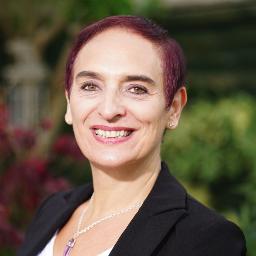
Christine Fleming
NCPS
3 years in practice NCPS
Calm, practical support for difficult times
- Stress & Anxiety
- Grief
- Self Esteem
UK counsellors online
2,981 counsellors name isolation / loneliness among the things they work with. All offer sessions online across the United Kingdom; each profile shows their register, experience and languages.
This page lists counsellors who specialise in isolation and loneliness across the UK. Browse the profiles below to compare approaches, registration and languages, and to begin your search.
NCPS
3 years in practice NCPS
Calm, practical support for difficult times
BACP
4 years in practice BACP
Warm, practical counselling for life challenges
BACP
3 years in practice BACP
Person-centred counsellor for everyday struggles
BACP
3 years in practice BACP
Compassionate counsellor with a human approach
BACP, NCPS
9 years in practice BACP, NCPS
Compassionate counsellor for everyday struggles
BACP
10 years in practice BACP
Compassionate counsellor using ACT and mindfulness
15 years in practice BACP
Experienced counsellor helping with anxiety and depression
NCPS
7 years in practice NCPS
Supportive counsellor for life changes
BACP
4 years in practice BACP
Practical counselling for stress and life change
NCPS
5 years in practice NCPS
Gentle person-centred counselling for life changes
NCPS
4 years in practice NCPS
Compassionate, practical therapy for everyday struggles
3 years in practice BACP English, Spanish
Practical, compassionate counselling for depression and stress
11 years in practice BACP English, French
A steady, thoughtful counsellor for lasting change
NCPS
10 years in practice NCPS
Gentle, practical support for difficult feelings
BACP
8 years in practice BACP
Warm, person-centred counsellor for life changes
NCPS
4 years in practice NCPS
Practical, creative support for depression and stress
NCPS
5 years in practice NCPS
Calm, practical support for everyday overwhelm
BACP
5 years in practice BACP
Calm person‑centred counsellor for emotional challenges
BACP
16 years in practice BACP
Hopeful, practical support for life’s hard moments
NCPS
3 years in practice NCPS
Calm, practical support for everyday struggles
BACP
3 years in practice BACP
A practical counsellor for everyday struggles
BACP
6 years in practice BACP English, Thai
Warm culturally aware counsellor
NCPS
6 years in practice NCPS
Compassionate counsellor for depression and life changes
BACP
4 years in practice BACP
Calm, practical counselling for everyday struggles
BACP
6 years in practice BACP
Compassionate counsellor for anxiety and life change
NCPS
3 years in practice NCPS English, Spanish
Compassionate person-centred counsellor
BACP, NCPS
5 years in practice BACP, NCPS
Practical, values-led counselling and CBT support
15 years in practice BACP English, French
Experienced counsellor for stress and mood
NCPS
4 years in practice NCPS
Practical, warm counselling for everyday struggles
BACP
8 years in practice BACP English, French
Calm, practical support for life changes
BACP
5 years in practice BACP
Supportive Person-Centred Counsellor
BACP, NCPS
8 years in practice BACP, NCPS
Gentle, practical support for low mood and stress
BACP
6 years in practice BACP
Skilful, steady presence for lasting change
BACP
3 years in practice BACP English, Polish
Empathic counsellor who listens and adapts
BACP
3 years in practice BACP
Practical support for grief and life changes
BACP
27 years in practice BACP English, Portuguese
Empathetic counsellor for life and relationship challenges
BACP
8 years in practice BACP
Calm guidance for low mood and life change
BACP
15 years in practice BACP English, Yoruba
Calm, practical support for life's challenges
BACP
15 years in practice BACP
Compassionate counselling for stress and life changes
BACP
14 years in practice BACP
Supportive person-centred counsellor
BACP
7 years in practice BACP English, Polish
Compassionate counsellor for steady recovery
BACP
9 years in practice BACP
Person-centred counsellor for everyday struggles
BACP
7 years in practice BACP
Practical, respectful support for depression and stress
BACP
11 years in practice BACP
Practical support for stress and depression
BACP
3 years in practice BACP English, Tagalog
Calm, practical counselling for everyday struggles
NCPS
4 years in practice NCPS
Kind, practical counselling for difficult life changes
BACP
3 years in practice BACP
Compassionate counsellor for mood and life changes
BACP
7 years in practice BACP
Compassionate counsellor for practical change
We will earn a commission if you sign up through our link, at no cost to you.
Isolation and loneliness are related but distinct experiences that many people face at different stages of life. Isolation usually refers to an objective lack of social contact or a physical separation from others, while loneliness describes the subjective feeling that your social needs are not being met. You can feel lonely even when surrounded by people, or you can be isolated without feeling lonely; the two often overlap. Both can arise after major life changes such as moving city, bereavement, retirement, long-term illness, or changes in relationships. They can also build gradually as routines shift and contact with friends or family reduces.
When you experience ongoing isolation or loneliness, it can shape how you think, feel and behave. You might notice changes in your mood, motivation and appetite, or find it harder to concentrate at work or while home. Loneliness can heighten a sense of vulnerability and make social situations feel more daunting, which in turn may lead you to withdraw further. Understanding the patterns that surround your sense of isolation is the first step towards addressing it. Therapy can offer a structured space to explore those patterns, identify obstacles to connection and develop practical ways to rebuild meaningful relationships.
It can be hard to decide whether to seek professional support, particularly when feelings of disconnection feel like a personal struggle. There are some common signs that therapy could be helpful. You might find that feelings of loneliness are persistent and not just a temporary response to a life event. You could be avoiding social opportunities you once enjoyed, or noticing that existing friendships feel shallow or unsatisfying. You may also experience repeated negative thoughts about your worthiness of connection, or anxiety that prevents you from reaching out to others.
Other indicators include difficulties with sleep or appetite, increased irritability, a decline in work performance or enjoyment of daily activities, and a persistent sense of emptiness. You might also notice unhelpful coping strategies such as excessive screen time, withdrawing from family, or staying in relationships that do not meet your needs. If these patterns are affecting your quality of life and your attempts to change them have not worked, therapy can provide a focused, collaborative process to explore the roots of loneliness and practice different ways of relating to others and to yourself.
When you begin therapy for isolation or loneliness, a counsellor will usually start by asking about your current circumstances, your social history and what you hope to change. Early sessions often include assessing how loneliness shows up in your thoughts, emotions and behaviour, and identifying immediate goals you would like to work towards. Sessions commonly last around 50 minutes and may be weekly to begin with, moving to a rhythm that suits your needs and progress. The work tends to blend emotional exploration with practical strategies for building connection.
Different counsellors take different approaches. You will find therapists who list cognitive behavioural therapy among their approaches, which focuses on how thoughts and behaviours maintain isolation and on developing practical skills to challenge patterns. Others list interpersonal therapy, which explores relationship patterns and communication, or psychodynamic approaches that look at earlier experiences and attachment styles that shape current connections. Some counsellors list acceptance and commitment therapy as an approach to help you clarify values and take committed action towards meaningful relationships. There are also counsellors who list compassion-focused approaches to address self-criticism or shame that can make reaching out feel risky. Group therapy and peer-led programmes may be offered by some practitioners as a way to practise social skills in a supportive setting.
It is common for practitioners to integrate elements from several approaches, and you may find it useful to discuss with a counsellor how they typically work and what to expect from their sessions. Remember that a counsellor listing an approach on their profile indicates that they use it in their practice; it does not serve as a claim about formal qualifications in that method.
Online therapy has become a widely used option for people looking to address loneliness, especially when mobility, geography or convenience are factors. Online sessions are typically conducted by video call, telephone or messaging, and they can allow you to access counsellors across the UK. The practical benefits include reduced travel time and the ability to schedule sessions around work or caring responsibilities. Many people find that starting online makes it easier to reach out in the first place, because it lowers some of the immediate barriers to attendance.
When engaging in online therapy, think about your environment and how you can create a personal setting where you feel relatively comfortable and free from interruptions. Good connections are helpful, and many counsellors will outline their preferred platforms and any technical recommendations on their profiles. information-sharing boundaries practices vary, so you may wish to ask how a counsellor manages records and protects your personal information. You can also ask about session length, fees and the typical structure of their work. While cost and session format are practical considerations, pay attention as well to how a counsellor describes their focus and experience with issues like isolation and loneliness.
Choosing the right counsellor is a personal decision. Look for profiles that mention registration with recognised UK bodies such as BACP, HCPC or NCPS, which can give you a sense of professional standards and accountability. Consider the approaches that feel most aligned with your preferences - for example, whether you want a skills-based approach that emphasises practical tools, or an exploratory approach that focuses on underlying relational patterns. Language, cultural understanding and life experience can matter a great deal; if you want a counsellor who understands specific cultural, ethnic or age-related contexts, check profile details for those areas of focus.
Reflect on the tone of a counsellor's profile and how it speaks to you. A profile is often the first impression of their style and priorities; if their description resonates, it can make initial contact feel less daunting. You may wish to contact a few counsellors to ask brief questions before starting sessions, such as how they approach loneliness, what a typical session looks like, and how they measure progress. Finally, give yourself permission to change direction if a counsellor does not feel like the right fit - matching with someone who feels respectful, attentive and practical about the issue you want to address is central to making progress.
If you are exploring support for isolation or loneliness, begin by reading several profiles and noting which counsellors describe experience or approaches that appeal to you. Use the listing tools on this site to filter by registration, languages or therapeutic focus. When you contact a counsellor, a short message outlining what you hope to address can help them respond with relevant information about their practice. Many people find that taking the first step to enquire brings immediate relief, even before sessions begin, because it opens up possibilities for connection and change.