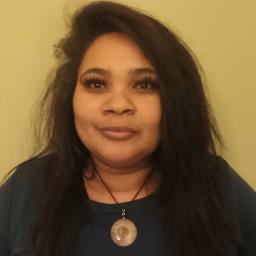
Sana Khwaja
BACP
5 years in practice BACP
Compassionate counsellor for low mood and life changes
- Addictions
- LGBT
- Trauma and Abuse
UK counsellors online
564 counsellors name gender dysphoria among the things they work with. All offer sessions online across the United Kingdom; each profile shows their register, experience and languages.
On this page you will find UK counsellors who specialise in gender dysphoria, with profile details on their approaches, credentials and languages. Browse the listings below to explore counsellors who match the support you are looking for.
BACP
5 years in practice BACP
Compassionate counsellor for low mood and life changes
BACP, NCPS
9 years in practice BACP, NCPS
Compassionate counsellor for everyday struggles
BACP
10 years in practice BACP
Compassionate counsellor using ACT and mindfulness
NCPS
4 years in practice NCPS
Practical, creative support for depression and stress
BACP
3 years in practice BACP
A practical counsellor for everyday struggles
BACP
6 years in practice BACP
Compassionate counsellor for anxiety and life change
BACP
3 years in practice BACP English, Polish
Empathic counsellor who listens and adapts
BACP
27 years in practice BACP English, Portuguese
Empathetic counsellor for life and relationship challenges
BACP
3 years in practice BACP
Compassionate counsellor for mood and life changes
BACP, NCPS
18 years in practice BACP, NCPS English, Spanish
Experienced counsellor offering practical support
BACP
5 years in practice BACP
Supportive practical therapy for life challenges
BACP
20 years in practice BACP English, Spanish
Compassionate counsellor for depression and life changes
BACP
3 years in practice BACP
Compassionate, practical support for life's hard moments
BACP
26 years in practice BACP English, Arabic
Experienced counsellor supporting trauma and depression
BACP
18 years in practice BACP
Person-centred counsellor for life changes
BACP
5 years in practice BACP
Compassionate counsellor for life transitions and mood
BACP
20 years in practice BACP
Warm person-centred counsellor for depression and stress
BACP
4 years in practice BACP
Practical, person-focused counselling for depression
BACP
13 years in practice BACP
Experienced integrative counsellor
BACP
11 years in practice BACP
Compassionate person-centred counsellor
BACP
4 years in practice BACP
Gentle person-centred counselling for everyday struggles
BACP
13 years in practice BACP
Compassionate, practical therapy for everyday struggles
BACP
23 years in practice BACP
Experienced client-centred counsellor for depression
NCPS
4 years in practice NCPS
Supportive counsellor for depression and stress
BACP
6 years in practice BACP English, Gujarati
Supportive counsellor for depression and relationships
BACP
6 years in practice BACP
Practical, strengths-based counselling for everyday struggles
BACP
6 years in practice BACP
Supportive counsellor for depression and stress
BACP
3 years in practice BACP
Compassionate counsellor for depression and anxiety
6 years in practice BACP
Gentle, practical support for life changes
NCPS
4 years in practice NCPS
Calm, person-centred support for emotional challenges
BACP
12 years in practice BACP
Compassionate support for depression and life challenges
BACP
3 years in practice BACP
Therapist focusing on personal insight and support
BACP
3 years in practice BACP
Practical counselling for stress and depression
40 years in practice BACP
Experienced counsellor for relationship and life changes
BACP
4 years in practice BACP
Compassionate person-centred counsellor
BACP
13 years in practice BACP English, Arabic
Compassionate person-centred counsellor
HCPC, BACP
16 years in practice HCPC, BACP English, Portuguese
Experienced psychodynamic counsellor
BACP
4 years in practice BACP
Supportive counsellor for stress and depression
BACP, NCPS
3 years in practice BACP, NCPS
Supportive counsellor for life changes
BACP
6 years in practice BACP
Practical, collaborative counselling for mood and relationships
BACP
18 years in practice BACP English, Greek
Experienced psychodynamic counsellor for mood concerns
BACP
11 years in practice BACP
Experienced counsellor for mood and life change
BACP
8 years in practice BACP English, Spanish
Compassionate counsellor for depression and anxiety
NCPS
15 years in practice NCPS
Therapist focusing on practical change
BACP
4 years in practice BACP
Compassionate support for feeling stuck
BACP
6 years in practice BACP
A practical, warm counsellor for life challenges
NCPS
12 years in practice NCPS
Experienced UK counsellor focused on everyday recovery
BACP
4 years in practice BACP
Calm, practical counselling for mood and relationships
We will earn a commission if you sign up through our link, at no cost to you.
Gender dysphoria refers to the distress or discomfort that can arise when your experienced or expressed gender differs from the sex you were assigned at birth. For many people this is a deeply personal experience that can touch multiple parts of life - your sense of identity, relationships, work, education and physical wellbeing. You might find that dysphoria is present from childhood and becomes more pronounced during adolescence or later, or that it emerges at different life stages as your circumstances change.
The ways gender dysphoria affects you can vary widely. For some, it shows up as persistent unhappiness about particular body characteristics or social roles. For others it is experienced as anxiety, low mood, social avoidance, difficulties with intimacy or strain in family relationships. You may also encounter practical barriers to expressing your gender, such as limited access to gender-affirming healthcare or unsupportive workplace policies. Whatever your experience, recognising the emotional and everyday impact is the first step towards finding support that feels relevant to your life.
Deciding whether to seek counselling is a personal choice, and there is no single sign that applies to everyone. You might consider therapy if you find your distress interferes with daily functioning - for example if it is affecting your sleep, work, study or relationships. If you feel persistently low, overwhelmed by anxiety, or unable to express your gender in ways that feel safe, counselling can provide a space to explore these concerns with someone who understands gender-related issues.
Other indicators that counselling may help include repeated feelings of isolation, confusion about next steps for social or medical transition, or recurring conflict within important relationships because of gender differences. You may also seek support while navigating assessments, letters or referrals for healthcare, or when dealing with discrimination and stigma. Counselling can be useful whether you are seeking long-term therapeutic work or short-term practical support to make decisions.
Early sessions typically involve some conversation about your history, current challenges and what you hope to achieve. A counsellor will ask about your emotional wellbeing, relationships, social context and any steps you are already taking towards expressing your gender. These initial meetings are a chance for you to get a feel for the counsellor's approach and for them to understand your priorities. You are entitled to ask about the counsellor's registration and experience working with gender issues - many will note if they are registered with professional bodies such as BACP, HCPC or NCPS.
As therapy continues you can expect an individualised process that addresses both emotional and practical concerns. Sessions may include exploring identity, building coping strategies for dysphoria-related distress, working on communication with partners or family members, and planning practical steps such as name or pronoun changes. Your counsellor may help you develop resilience in the face of minority stress and support you to identify local resources or peer groups. Therapy often balances emotional processing with practical skills to help you live more comfortably in the present.
There is a range of therapeutic approaches that counsellors might list on their profiles. Cognitive-behavioural approaches focus on the links between thoughts, emotions and behaviour, offering practical strategies to reduce distress and manage anxiety. Psychodynamic or relational approaches tend to explore how early relationships and life stories influence current identity and inner conflicts. Humanistic approaches emphasise your personal values, autonomy and the therapeutic relationship as a space for acceptance and growth.
Some counsellors list trauma-informed ways of working, and others note approaches such as narrative therapy which helps you reframe your life story in ways that align with your sense of self. It is common to see counsellors who list a mix of modalities; this does not itself confirm specific training but indicates the perspectives they bring into sessions. You may find it helpful to read profiles to understand which approaches resonate with you and to ask prospective counsellors how they adapt their methods to gender-related matters.
Online counselling is commonly offered via video call, telephone or messaging. Each format has advantages - video allows face-to-face interaction when you cannot meet in person, telephone may feel less exposing for some, and messaging can offer flexibility for people with busy schedules or caregiving responsibilities. If you choose online sessions you will want to agree on practicalities such as session length, frequency, information-sharing boundaries boundaries and what to do in an emergency. Many counsellors will explain their preferred platforms and how they manage records and safeguarding in line with professional guidance.
You should aim to attend sessions from a place where you feel comfortable and able to speak openly, such as a quiet room or a space in which you can close a door. Consider using headphones to help with privacy and to improve audio quality. If you are navigating a household where others may not be aware of your gender journey, you might plan safe times for sessions or use text-based counselling until you feel more able to speak openly. Online work can broaden access if you live outside urban centres or if travel presents a barrier.
Begin by thinking about what matters most to you - do you want someone who explicitly focuses on gender dysphoria, or a counsellor whose wider experience matches your needs, such as working with anxiety, depression or trauma? Look for counsellors who mention working with gender issues on their profiles and who are registered with recognised bodies like BACP, HCPC or NCPS. Registration indicates adherence to professional standards and a code of ethics, which many find reassuring when seeking support.
Language and cultural competence can be important. If you prefer to speak in a particular language or want someone who understands specific cultural or faith contexts, make that a priority in your search. Read profile descriptions to learn about the counsellor's stated approaches, typical client groups and the kinds of issues they describe working with. It is perfectly reasonable to contact a counsellor with a few brief questions about their experience with gender-related work before deciding to arrange an initial meeting.
Finally, trust your instincts about the therapeutic relationship. The quality of the connection you feel with a counsellor often shapes how helpful therapy is. You are entitled to meet several counsellors before choosing one, and to change direction if you do not feel the relationship is a good fit. Over time you can refine your preferences and work towards support that respects your identity, addresses distress and helps you navigate practical steps at a pace that feels right for you.
Finding a counsellor who understands gender dysphoria can make a meaningful difference to how you cope and plan next steps. Use the listings above to explore profiles, note registration with relevant professional bodies, and reach out to those whose descriptions align with what you need.