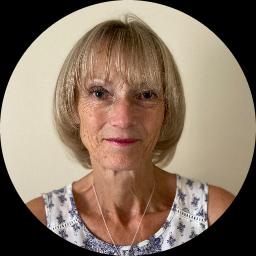
Claire Jean Seymour
NCPS
7 years in practice NCPS
Supportive counsellor for life changes
- Stress & Anxiety
- Addictions
- Relationship
UK counsellors online
600 counsellors name veterans among the things they work with. All offer sessions online across the United Kingdom; each profile shows their register, experience and languages.
This directory page gathers counsellors and therapists who specialise in supporting veterans across the UK. Profiles outline professional registration, approaches and experience with service-related challenges - browse the listings below to explore practitioners who focus on veterans' issues.
NCPS
7 years in practice NCPS
Supportive counsellor for life changes
NCPS
5 years in practice NCPS
Gentle person-centred counselling for life changes
BACP
3 years in practice BACP
A practical counsellor for everyday struggles
BACP, NCPS
5 years in practice BACP, NCPS
Practical, values-led counselling and CBT support
BACP, NCPS
8 years in practice BACP, NCPS
Gentle, practical support for low mood and stress
BACP
7 years in practice BACP English, Polish
Compassionate counsellor for steady recovery
BACP
11 years in practice BACP
Practical support for stress and depression
BACP
4 years in practice BACP
Gentle, practical therapy for everyday struggles
NCPS
5 years in practice NCPS
Calm, practical therapy for daily struggles
BACP
17 years in practice BACP English, Italian
Warm, multicultural counsellor focused on meaningful change
BACP
5 years in practice BACP
Supporting people through depression and addiction
BACP
6 years in practice BACP English, French
Compassionate counsellor for mood and life struggles
BACP, NCPS
18 years in practice BACP, NCPS English, Spanish
Experienced counsellor offering practical support
BACP
9 years in practice BACP
Helping people move through stress and low mood
6 years in practice BACP
Experienced UK counsellor for emotional recovery
BACP
26 years in practice BACP English, Arabic
Experienced counsellor supporting trauma and depression
BACP
4 years in practice BACP
A warm, practical counsellor for everyday struggles
BACP
20 years in practice BACP
Calm practical support for difficult times
BACP
5 years in practice BACP
Compassionate counsellor for life transitions and mood
BACP
12 years in practice BACP
Calm, clear therapy for low mood and relationships
BACP
20 years in practice BACP
Warm person-centred counsellor for depression and stress
BACP, NCPS
10 years in practice BACP, NCPS
Practical, down-to-earth counselling for everyday struggles
NCPS
5 years in practice NCPS English, Mandarin
Practical, compassionate support for low mood
BACP
13 years in practice BACP
Experienced integrative counsellor
BACP
18 years in practice BACP
Experienced integrative counsellor for mood and trauma
BACP
13 years in practice BACP
Compassionate, practical therapy for everyday struggles
BACP
23 years in practice BACP
Experienced client-centred counsellor for depression
10 years in practice BACP English, Portuguese
Calm, practical therapy for everyday struggles
BACP
13 years in practice BACP
Calm, practical support for depression and life change
BACP, NCPS
18 years in practice BACP, NCPS
A steady, flexible counsellor for practical change
BACP
5 years in practice BACP
Supportive UK counsellor for practical change
NCPS
4 years in practice NCPS
Supportive counsellor for depression and stress
BACP
10 years in practice BACP
Experienced UK counsellor for anxiety and depression
BACP
16 years in practice BACP
Practical, compassionate counselling for life changes
BACP
9 years in practice BACP
Compassionate counsellor for stress and trauma
BACP
22 years in practice BACP
Experienced counsellor focused on wellbeing
BACP
6 years in practice BACP
Practical, strengths-based counselling for everyday struggles
BACP
3 years in practice BACP
Compassionate counsellor for depression and anxiety
BACP
25 years in practice BACP
Experienced counsellor for life transitions
BACP
14 years in practice BACP
Compassionate counsellor for mood and life changes
BACP
6 years in practice BACP
Practical, empathetic support for depression
BACP
3 years in practice BACP
Therapist focusing on personal insight and support
NCPS
3 years in practice NCPS
Short-term help for depression and anxiety
BACP
3 years in practice BACP
Practical counselling for stress and depression
40 years in practice BACP
Experienced counsellor for relationship and life changes
BACP
5 years in practice BACP English, Bengali
Compassionate counsellor for relationship and mood concerns
BACP
12 years in practice BACP
Compassionate counsellor for mood and stress
BACP
4 years in practice BACP
Supportive counsellor for stress and depression
We will earn a commission if you sign up through our link, at no cost to you.
Being a veteran can shape many aspects of life long after active service ends. Military service often involves repeated exposure to challenging situations, strict routines, intense camaraderie and distinct role expectations. When that context changes - through leaving the forces, injury, loss of comrades or changes to identity and purpose - the emotional and practical consequences can be profound. Many veterans describe difficulties with sleep, intrusive memories, heightened startle responses, mood shifts, relationship strain and difficulty adjusting to civilian work life. These are not signs of personal failure but understandable reactions to extraordinary experiences.
Service-related experiences vary widely, so the way they affect individuals also differs. Some people notice a gradual change in how they react to stress or a decline in motivation. Others experience sudden distress after a triggering event. Mental health is shaped by prior resilience, the nature of service, support networks and access to appropriate care. When you are looking for help, recognising that your response sits on a spectrum of normal reactions to stress can be a helpful first step toward finding appropriate support.
If daily life feels harder than it used to, counselling can help you make sense of those changes and develop new ways of coping. You might find yourself avoiding situations that remind you of service, or you might be replaying events in your mind more often than you would like. Difficulty concentrating at work, changes in appetite or sleep, increased irritability and withdrawal from family or social activities can all be signs that support would be useful. Relationship issues are common - partners and family members may struggle to understand shifts in behaviour and communication, which can increase tension and isolation.
Another sign that therapy could help is persistent low mood, anxiety or trouble managing emotions that affects your ability to function day-to-day. If you notice that you are relying more on alcohol or other coping mechanisms to manage distress, seeking a therapeutic conversation can offer safer alternatives and practical strategies. Therapy is not only for crisis moments; it can also assist with transition planning, career change, navigating benefits and building a life after service that feels meaningful and manageable.
Your first sessions are likely to focus on building a working relationship with the counsellor and identifying the issues you want to address. Expect to discuss aspects of your service history that are relevant to your present difficulties, along with practical concerns such as sleep, work, relationships and daily routines. A thorough assessment helps the counsellor understand the context of your experience and plan a collaborative approach. Sessions generally last around 50 to 60 minutes, with arrangements discussed directly with the practitioner listed in their profile.
Therapy for veterans often blends practical problem-solving with emotional processing. Some sessions may focus on developing immediate coping strategies you can use when you feel overwhelmed, while other sessions may explore the meaning of your experiences and how they fit into your wider life story. Many people find it useful to set specific goals for therapy - improving sleep, reducing avoidance, rebuilding social connections or managing anger - and to review progress over time. You should expect a respectful, person-centred process that honours your service and helps you work toward clearer day-to-day functioning and emotional wellbeing.
Practitioners who work with veterans draw on a range of approaches to address stress, trauma and transition. You will find counsellors who list cognitive behavioural therapy - CBT - among their approaches, which often focuses on understanding and changing patterns of thinking and behaviour that maintain distress. Some profiles note narrative approaches that help you reframe and integrate your service experiences into your life story. There are also practitioners who list mindfulness-based approaches and acceptance-oriented work that emphasise learning new ways to relate to difficult thoughts and feelings without being overwhelmed by them.
You may also see therapists who list trauma-focused methods among their approaches. When trauma is a feature of the presenting difficulties, a counsellor will discuss the range of ways to work through trauma-related symptoms and will tailor the plan to your needs and pacing. Many veterans benefit from an integrated approach that combines symptom management with exploring identity, relationships and practical life changes. Look for profiles that describe the kinds of issues a counsellor typically works with and how they structure sessions for people who have experienced military service.
Online therapy offers a flexible way to access support without travelling to an office, and it can be particularly helpful if mobility, location or work patterns make in-person sessions difficult. Most practitioners offer a range of remote options including video sessions, telephone calls and text-based communication. Video sessions aim to replicate face-to-face contact as closely as possible, while telephone work can be more accessible for those who prefer not to use video. Each method has strengths - some people find it easier to speak openly from their own home, while others value the focus that a scheduled in-person appointment can bring.
When using online therapy, it is important to find a quiet, comfortable place where you will not be disturbed and to agree with the counsellor how sessions will be arranged and how to manage any technical issues. Therapists often discuss practical arrangements such as session length, cancellations and how to contact them between sessions if an urgent issue arises. Data protection and professional standards are important considerations: many practitioners note their registration with BACP, HCPC or NCPS in their profiles, so you can review their professional standing and read about their approach before making contact. Online work does not suit everyone, so if remote sessions feel unfamiliar, you can discuss alternatives with the practitioner listed.
Selecting a counsellor is a personal decision and it helps to start by clarifying the issues you want to address and the qualities you value in a therapist. Read profiles to see who lists experience with veterans or service-related concerns, and note professional registration such as BACP, HCPC or NCPS where provided. Profiles will also often list therapeutic approaches, languages spoken and areas of focus - these details help you match on practical and cultural grounds. You may prefer someone who understands military culture, transition issues and the practicalities of life after service, or you may prioritise a particular approach to managing symptoms.
When you contact a counsellor, consider asking about how they typically work with people from a military background, what a typical session looks like and how they approach issues like safety planning and practical problem-solving. It is reasonable to enquire about professional registration and relevant experience without asking for clinical claims. Trust your sense of how comfortable you feel when you speak with a potential counsellor - the relationship is often one of the most important factors in whether therapy feels helpful. Take your time to compare profiles and reach out to more than one practitioner if that helps you find the right fit for your needs.
Finding support is a step toward rebuilding routines, reconnecting with others and developing tools to manage the challenges of life after service. Whether you choose in-person or online work, registered counsellors who specialise in veterans' issues can offer structured, respectful support as you navigate the transition from military to civilian life and address service-related distress. Use the listings on this page to learn about practitioners' registrations, approaches and focus areas, and begin a conversation that suits your needs and circumstances.