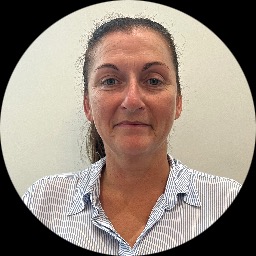
Christine Fleming
NCPS
3 years in practice NCPS
Calm, practical support for difficult times
- Stress & Anxiety
- Grief
- Self Esteem
UK counsellors online
864 counsellors in this directory list National Counselling and Psychotherapy Society (NCPS). Registrations are shown as supplied by the counsellor; the register itself is the place to confirm a number.
The National Counselling and Psychotherapy Society (NCPS) is a UK professional register that recognises practitioners who meet defined training and ethical standards. Below you can browse verified NCPS-registered therapists listed on our site to learn about their approaches, credentials and areas of focus.
NCPS
3 years in practice NCPS
Calm, practical support for difficult times
BACP, NCPS
9 years in practice BACP, NCPS
Compassionate counsellor for everyday struggles
NCPS
7 years in practice NCPS
Supportive counsellor for life changes
NCPS
4 years in practice NCPS
Direct, practical counselling and coaching
BACP, NCPS
14 years in practice BACP, NCPS
Compassionate counsellor blending practical and reflective therapy
NCPS
5 years in practice NCPS
Gentle person-centred counselling for life changes
NCPS
4 years in practice NCPS
Compassionate, practical therapy for everyday struggles
NCPS
10 years in practice NCPS
Gentle, practical support for difficult feelings
NCPS
4 years in practice NCPS
Practical, creative support for depression and stress
NCPS
5 years in practice NCPS
Calm, practical support for everyday overwhelm
NCPS
11 years in practice NCPS
Compassionate counsellor for stress and depression
NCPS
3 years in practice NCPS
Calm, practical support for everyday struggles
NCPS
6 years in practice NCPS
Compassionate counsellor for depression and life changes
NCPS
3 years in practice NCPS English, Spanish
Compassionate person-centred counsellor
BACP, NCPS
5 years in practice BACP, NCPS
Practical, values-led counselling and CBT support
NCPS
4 years in practice NCPS
Practical, warm counselling for everyday struggles
BACP, NCPS
8 years in practice BACP, NCPS
Gentle, practical support for low mood and stress
NCPS
15 years in practice NCPS
Practical support for stress and depression
NCPS
6 years in practice NCPS
Calm, practical support for everyday struggles
NCPS
4 years in practice NCPS
Kind, practical counselling for difficult life changes
NCPS
6 years in practice NCPS
Calm, practical support for life changes
NCPS
5 years in practice NCPS
Calm, practical therapy for daily struggles
BACP, NCPS
3 years in practice BACP, NCPS
Gentle person-centred counselling for change
NCPS
5 years in practice NCPS
Compassionate counsellor helping you find steady change
NCPS
3 years in practice NCPS
Compassionate counsellor for life changes
BACP, NCPS
5 years in practice BACP, NCPS
Calm, practical counselling for low mood
NCPS
6 years in practice NCPS
Gentle, practical support for everyday struggles
BACP, NCPS
18 years in practice BACP, NCPS English, Spanish
Experienced counsellor offering practical support
NCPS
8 years in practice NCPS
Compassionate counselling for clearer days
NCPS
4 years in practice NCPS
Empathic counsellor focusing on practical support
NCPS
8 years in practice NCPS
Person-centred counsellor with practical CBT focus
3 years in practice NCPS
Calm, practical support for life's hard moments
NCPS
4 years in practice NCPS
Gentle, practical counselling for everyday struggles
NCPS
5 years in practice NCPS
Calm practical support for low mood and stress
NCPS
4 years in practice NCPS
Practical, compassionate counselling for daily struggles
BACP, NCPS
3 years in practice BACP, NCPS
Compassionate counsellor for life changes
BACP, NCPS
10 years in practice BACP, NCPS
Practical, down-to-earth counselling for everyday struggles
NCPS
5 years in practice NCPS English, Mandarin
Practical, compassionate support for low mood
NCPS
3 years in practice NCPS
Experienced, approachable counsellor for everyday struggles
NCPS
3 years in practice NCPS
Practical, person-centred therapy for everyday struggles
NCPS
11 years in practice NCPS
Practical, down-to-earth counselling and hypnotherapy
NCPS
13 years in practice NCPS
Calm, practical counselling for everyday struggles
5 years in practice NCPS English, Polish
Integrative trauma-informed counselling and hypnotherapy
NCPS
7 years in practice NCPS
Calm, practical support for difficult times
BACP, NCPS
5 years in practice BACP, NCPS
Kind, practical counselling for everyday struggles
BACP, NCPS
18 years in practice BACP, NCPS
A steady, flexible counsellor for practical change
NCPS
4 years in practice NCPS
Supportive counsellor for depression and stress
BACP, NCPS
3 years in practice BACP, NCPS English, French
Practical, goal-focused counselling for depression and life change
We will earn a commission if you sign up through our link, at no cost to you.
NCPS registration identifies practitioners who have joined the National Counselling and Psychotherapy Society and who have met that organisation's requirements for membership. While the exact criteria can vary by membership level, registration usually reflects that a therapist has completed a recognised counselling or psychotherapy programme, engaged in supervised clinical practice, and agreed to a professional code of conduct. The register is intended to make it easier for you to find practitioners who state NCPS membership and who accept oversight from a professional body.
Educational routes that lead to NCPS registration commonly include diploma and degree-level qualifications in counselling or psychotherapy, plus documented hours of supervised client work. Many practitioners supplement initial qualifications with ongoing continuing professional development - CPD - to keep their practice up to date. If you are reviewing a therapist's profile, you will often see listed qualifications, the nature of their supervised practice, and the membership level they hold with NCPS. These entries give you a clearer picture of a therapist's professional pathway without implying specific clinical outcomes.
NCPS may offer different membership categories reflecting stages of training and experience. A practitioner at an accredited membership level is generally expected to meet higher thresholds of education and clinical supervision than an entry-level registrant. The society's code of ethics typically sets expectations around professional behaviour, record keeping and ongoing learning. That means registration with NCPS signals that a therapist has agreed to operate under those shared standards, which you can review when choosing someone to work with.
Registration with NCPS indicates that a therapist has met that body's specified standards for education, practice and professional conduct. In the UK there are multiple professional registers and organisations, each with its own criteria and focus. Being NCPS-registered is one way practitioners demonstrate commitment to a recognised set of standards; other registers may emphasise different training pathways, theoretical orientations or practitioner protections. When you compare profiles, look at how NCPS registration fits alongside other credentials a therapist lists so you can understand their professional framework.
NCPS-registered therapists commonly work with a wide range of presenting concerns and client groups. Their scope of practice tends to reflect their training, supervision and experience as documented in their membership application. Unlike regulatory registrations in other sectors, professional registration in counselling and psychotherapy is designed to show adherence to an ethical framework and to provide a route for accountability through the society's complaints and governance processes. That accountability differs in detail from one organisation to another, so checking what a particular register covers is a useful part of your decision.
When you look at practitioner profiles, you may notice a mix of registrations and affiliations. NCPS registration should be considered alongside any other professional memberships, listed qualifications and the practical focus the therapist describes. Each element helps you form a rounded view of the practitioner - for example, the type of training they completed, the population groups they work with, and the continuing professional development they undertake.
NCPS-registered therapists work across many common areas of distress and life difficulty. You will frequently find practitioners who list depression, anxiety, relationship difficulties, bereavement, workplace stress and life transitions among their primary areas of focus. Many also highlight work with particular client groups such as young adults, older adults, couples or parents. The therapies and approaches you see on profiles are descriptive of the methods therapists use in practice; for example, some therapists list cognitive-behavioural approaches, psychodynamic approaches, humanistic approaches or trauma-informed work. Be mindful that a listing indicates the approach is used by the practitioner, not that a specific formal credential in that approach has been independently verified.
If you are seeking help for a particular concern, filter for therapists who state a focus on that area and read their profile narratives to understand how they describe their work. Some therapists emphasise shorter-term, goal-focused work, while others describe longer-term exploratory therapy. Consider the match between the way a therapist frames their work and the support you are hoping to find.
Verifying NCPS registration is an important step in your search. The most direct method is to consult the NCPS public register on the society's website, where you can typically search by practitioner name or registration number. A public register entry should state membership status and sometimes the membership level or accreditation category. If you cannot find a profile on the register, you can ask the practitioner for their NCPS membership number or details of their registration and then confirm those directly with the society.
Beyond registration, look for clear statements about a therapist's qualifications, supervisory arrangements and continuing professional development. Many practitioners include a short biography that explains their clinical interests, the populations they work with, the settings they practise in and the languages they speak. You can also ask about how they work with clients - for example, session length and session format - as these practical details help you decide whether a therapist's approach aligns with your needs. If a practitioner lists additional memberships or accreditations, you may wish to verify those too through the relevant professional body's register.
On the NCPS register check for the practitioner's listed name, membership category and any stated registration number. If available, review any notes on the register about disciplinary or complaints processes and the society's guidance on professional standards. If you identify discrepancies between a practitioner's profile and the register entry, contacting NCPS for clarification is a reasonable step. Transparency around membership status and professional standing is part of responsible practice for most UK professional bodies.
Choosing a therapist who is registered with NCPS can offer several practical benefits. Registration usually indicates that the practitioner has agreed to an ethical code, maintains a record of supervised practice and engages in continuing professional development. These features help create a framework for accountable practice and give you avenues to raise concerns if needed. NCPS membership can also make it easier to compare practitioners on a consistent set of expectations, since members adhere to the society's stated standards.
When searching for the right NCPS therapist, take time to compare focus areas, approaches, credentials, languages and experience. Read profiles closely to understand how each therapist describes their clinical interests and typical work with clients. Consider whether you prefer a therapist who emphasises short-term, problem-focused work or one who frames therapy as a longer-term exploration, and look for evidence of relevant experience working with similar concerns or populations. Practical considerations like session length, fee structure, the format of sessions and location - whether in-person or online - will also influence fit.
Before you begin, prepare a few questions to help you assess fit. You might ask about how the therapist typically works with issues like yours, how supervision and professional development are arranged, and what you might expect in the first few sessions. While outcome is never guaranteed, a clear conversation about process, approach and practical arrangements can help you decide if a therapist feels like the right match for your needs. Remember that choosing therapy is a personal decision - a good match in values, communication style and practical arrangements often matters as much as formal credentials.