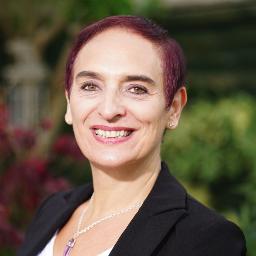
Morgan Gairell
BACP
10 years in practice BACP
Compassionate counsellor using ACT and mindfulness
- Stress & Anxiety
- LGBT
- Grief
UK counsellors online
879 counsellors name disaster relief therapy among the things they work with. All offer sessions online across the United Kingdom; each profile shows their register, experience and languages.
This page lists counsellors who specialise in disaster relief therapy for people affected by emergencies, extreme weather events or large scale incidents. Explore the listings below to view profiles, approaches, qualifications and languages spoken so you can identify a practitioner who suits your needs.
BACP
10 years in practice BACP
Compassionate counsellor using ACT and mindfulness
NCPS
7 years in practice NCPS
Supportive counsellor for life changes
NCPS
4 years in practice NCPS
Practical, creative support for depression and stress
NCPS
3 years in practice NCPS
Calm, practical support for everyday struggles
BACP
3 years in practice BACP
A practical counsellor for everyday struggles
BACP, NCPS
5 years in practice BACP, NCPS
Practical, values-led counselling and CBT support
15 years in practice BACP English, French
Experienced counsellor for stress and mood
NCPS
4 years in practice NCPS
Practical, warm counselling for everyday struggles
BACP
27 years in practice BACP English, Portuguese
Empathetic counsellor for life and relationship challenges
BACP
9 years in practice BACP
Person-centred counsellor for everyday struggles
BACP
11 years in practice BACP
Practical support for stress and depression
BACP
7 years in practice BACP
Compassionate counsellor for practical change
BACP
4 years in practice BACP
Gentle, practical therapy for everyday struggles
BACP
8 years in practice BACP
Compassionate counsellor for depression and life changes
NCPS
5 years in practice NCPS
Calm, practical therapy for daily struggles
BACP
5 years in practice BACP
Supporting people through depression and addiction
BACP
14 years in practice BACP
Calm, practical counselling for depression and relationships
BACP
6 years in practice BACP English, French
Compassionate counsellor for mood and life struggles
BACP, NCPS
18 years in practice BACP, NCPS English, Spanish
Experienced counsellor offering practical support
BACP
4 years in practice BACP English, Ndebele, South
Calm, non-judgemental counsellor for life changes
6 years in practice BACP
Experienced UK counsellor for emotional recovery
BACP
6 years in practice BACP
Calm, practical counselling for life changes
BACP
26 years in practice BACP English, Arabic
Experienced counsellor supporting trauma and depression
BACP
4 years in practice BACP
A warm, practical counsellor for everyday struggles
5 years in practice BACP English, Punjabi
Compassionate counsellor for low mood and anxiety
NCPS
4 years in practice NCPS
Empathic counsellor focusing on practical support
BACP
5 years in practice BACP
Compassionate counsellor for life transitions and mood
BACP
21 years in practice BACP
Experienced counsellor for anxiety and depression
BACP
14 years in practice BACP
Helping people manage depression and life change
NCPS
4 years in practice NCPS
Practical, compassionate counselling for daily struggles
BACP
20 years in practice BACP
Warm person-centred counsellor for depression and stress
BACP
5 years in practice BACP
Warm counsellor blending coaching and therapy
BACP
5 years in practice BACP
Hopeful listening and steady support
BACP
5 years in practice BACP
Gentle, practical support for life changes
BACP
4 years in practice BACP
Practical, person-focused counselling for depression
BACP
13 years in practice BACP
Experienced integrative counsellor
BACP
11 years in practice BACP
Compassionate person-centred counsellor
BACP
4 years in practice BACP
Gentle person-centred counselling for everyday struggles
NCPS
3 years in practice NCPS
Experienced, approachable counsellor for everyday struggles
NCPS
13 years in practice NCPS
Calm, practical counselling for everyday struggles
BACP
3 years in practice BACP
Practical, compassionate counselling for everyday struggles
BACP
3 years in practice BACP English, Tamil
Calm, practical counselling for everyday struggles
BACP
13 years in practice BACP
Compassionate, practical therapy for everyday struggles
BACP
23 years in practice BACP
Experienced client-centred counsellor for depression
5 years in practice NCPS English, Polish
Integrative trauma-informed counselling and hypnotherapy
10 years in practice BACP English, Portuguese
Calm, practical therapy for everyday struggles
BACP
15 years in practice BACP
Supportive BACP counsellor for life changes
BACP
13 years in practice BACP
Calm, practical support for depression and life change
We will earn a commission if you sign up through our link, at no cost to you.
Disaster relief therapy refers to psychological and emotional support offered to people affected by natural disasters, industrial accidents, conflict-related events or other large scale incidents that disrupt life and wellbeing. In the aftermath of such events you may experience a range of reactions - shock, intense sadness, anger, worry about the future, sleep disturbance and difficulties concentrating. These responses are natural in the face of loss and upheaval, but they can interfere with day-to-day functioning for some people and may persist beyond the acute phase.
The intent of this type of work is to help you process what has happened, rebuild a sense of safety and stability, and develop coping strategies that reduce distress. Practitioners who focus on disaster-related helping generally draw from trauma-informed principles and from approaches designed to stabilise strong emotions and restore routine. In the UK context you will find counsellors and psychotherapists who list varied approaches among their methods, and many will also be registered with recognised bodies such as the BACP, HCPC or NCPS. Registration indicates adherence to professional standards and an ethical code, which many people find reassuring when seeking support.
When an event shatters familiar patterns you may notice more than immediate physical loss. Social networks can be disrupted, work and schooling interrupted, and a sense of control over daily life reduced. For some people this leads to prolonged anxiety about safety, an increase in hypervigilance, or avoidance of places and situations that remind them of the incident. Others experience low mood, a sense of numbness, or grief that feels disproportionate to their immediate circumstances.
Children and young people often show distress in different ways from adults - through changes in play, regression in behaviour, clinginess, or academic decline. Carers and first responders can also carry a heavy emotional burden, experiencing exhaustion and moral distress after repeated exposure to traumatic scenes. Cultural and socio-economic factors influence recovery too; access to housing, income, and community support plays a large part in how quickly you can re-establish routine and emotional equilibrium. Therapy aims to address the psychological impact while recognising these wider social and practical pressures that shape recovery.
You might consider seeking professional support if distress after an event is persistent, intense, or affects your ability to manage everyday tasks. Common signs include ongoing nightmares or intrusive memories, avoidance of reminders of the event, a heightened startle response, persistent panic or anxiety, and strong feelings of hopelessness or despair that do not ease with time. You may also notice changes in relationships - increasing withdrawal from friends and family, difficulty trusting others, or conflict that has emerged since the event.
Practical issues can be indicators too. If your sleep has become unreliable, your appetite has changed markedly, or you are finding it difficult to concentrate at work or school, these can all point to distress that could be eased with therapeutic support. Children may regress, act out, or show sudden mood changes, all of which could benefit from an age-appropriate therapeutic response. Seeking help is not a sign of weakness; it is a pragmatic step to reduce suffering and restore your capacity for daily life.
Initial contact with a counsellor typically involves gathering a careful history of the incident and its impact on your life. Early sessions are often dedicated to establishing safety, practical coping strategies and a shared plan for the work ahead. You and your practitioner will discuss goals - whether you want to reduce intrusive memories, improve sleep, manage panic, or rebuild social connections - and agree on a pace that suits you.
Therapeutic work may combine stabilisation techniques with opportunities to process memories and emotions linked to the incident. Sessions are usually collaborative - your practitioner will invite you to feedback on what helps and what does not. For many people, practical tasks outside sessions - such as grounding exercises, structured breathing, or gradual re-engagement with avoided activities - form an important part of recovery. You should expect a humane, person-centred approach that respects your autonomy and cultural background, with discussion about how therapy fits alongside any other support you are receiving, including medical or social care.
There is no single route that suits everyone. You will find practitioners who list trauma-focused cognitive behavioural approaches among their methods, and others who describe a person-centred or psychodynamic orientation. Some counsellors may list EMDR among their approaches, while others work with narrative, systemic or somatic-informed methods. Each approach emphasises different aspects of recovery - for example cognitive approaches focus on unhelpful thinking patterns and behavioural activation, while narrative work attends to the meaning you give to events and your life story.
It is important to remember that a therapist listing a particular approach on their profile is not the same as a formal certification; profiles indicate what a practitioner says they use in their clinical work. When you read listings you can look for descriptions of how a practitioner applies an approach to disaster-related distress and whether they mention experience working with emergency-affected populations. Many practitioners will combine elements from several approaches to fit your needs, and you can discuss this in an initial consultation to get a sense of the fit between your expectations and their practice.
Online therapy has become an accessible option for many people impacted by disasters, particularly when travel or local services are disrupted. Sessions take place via video call, telephone or text-based messaging platforms and can offer continuity of care if you are displaced or unable to attend face-to-face appointments. Online work can be especially useful for follow-up support, coping skill reinforcement, and ongoing emotional processing once immediate safety needs are addressed.
When engaging in online therapy consider practicalities such as finding a quiet, comfortable environment where you will not be interrupted, having a plan for what to do if you become distressed during a session, and checking how to contact emergency services in your current area. In the UK you may wish to confirm whether a practitioner is registered with a professional body such as the BACP, HCPC or NCPS and discuss how they manage boundaries, data protection and record keeping. A clear agreement at the start of online work about frequency of sessions, fees, and how to contact your counsellor between sessions can help you feel more settled about the process.
When choosing a practitioner you may want to focus on several factors. Consider their stated experience with disaster-affected clients or communities, whether they work with the age group you need support for, and the theoretical approaches they mention on their profile. Look for clear information about professional registration - many UK practitioners are registered with the BACP, HCPC or NCPS - as this gives an indication of adherence to ethical standards and ongoing professional development.
Language and cultural competence matter. If you come from a particular cultural background or speak a language other than English, finding a counsellor who can work with those aspects of your experience can be important. Practical matters such as session length, fees, and how they run online or face-to-face work should be clear on a profile or discussed at first contact. Trust your instincts - if you feel listened to and respected in early conversations, that is an important sign. If the match is not right, it is acceptable to seek another practitioner whose approach and style fit better with your needs.
Recovery after a disaster is rarely linear and you may need different kinds of support at different stages. Therapy can be a helpful component of that support, offering a space to process events, manage overwhelming emotions and rebuild routine. By using profiles to compare approaches, registration, languages and areas of focus you can identify practitioners who appear to match your needs and values. If you are unsure where to begin, consider contacting a counsellor for an initial discussion to help you decide on the next steps for your recovery.