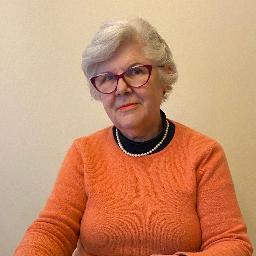
Sidonia Stiles
BACP
27 years in practice BACP English, Portuguese
Empathetic counsellor for life and relationship challenges
- Stress & Anxiety
- Relationship
- Grief
UK counsellors online
41 counsellors name Portuguese among the languages they offer sessions in.
Receiving therapy in your native language can make it easier to express complex feelings and cultural nuances. Below you can browse Portuguese-speaking therapists and counsellors to find someone whose approaches and background suit your needs.
Use profile details to learn about languages, therapeutic approaches and professional registration as you explore options.
BACP
27 years in practice BACP English, Portuguese
Empathetic counsellor for life and relationship challenges
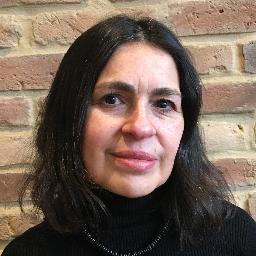
10 years in practice BACP English, Portuguese
Calm, practical therapy for everyday struggles
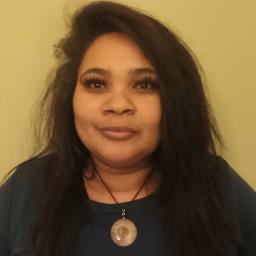
40 years in practice BACP English, Italian
Compassionate counselling with creative practice
HCPC, BACP
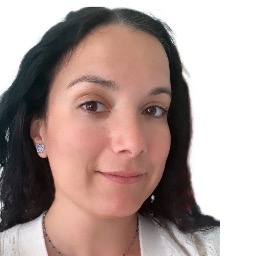
16 years in practice HCPC, BACP English, Portuguese
Experienced psychodynamic counsellor
NCPS
10 years in practice NCPS English, Afrikaans
Compassionate, practical therapy for everyday struggles
BACP
8 years in practice BACP English, Spanish
Compassionate counsellor for depression and anxiety
HCPC
16 years in practice HCPC English, Portuguese
Therapist for depression and life stress
BACP
11 years in practice BACP English, Portuguese
Psychodynamic counsellor who blends Jungian insight
BACP
10 years in practice BACP English, Portuguese
Jungian-informed psychotherapist for life changes
BACP
10 years in practice BACP English, Portuguese
Compassionate counselling for depression and stress
9 years in practice BACP English, Portuguese
Compassionate counsellor blending experiential and mindfulness approaches
BACP
23 years in practice BACP English, Portuguese
Experienced counsellor for mood and relationships
NCPS
7 years in practice NCPS English, Portuguese
Experienced counsellor helping with stress and relationships
BACP
8 years in practice BACP English, Portuguese
Supportive counsellor for stress and identity concerns
BACP
7 years in practice BACP English, Portuguese
Body-focused counsellor for stress and mood
10 years in practice BACP English, Portuguese
Calm, collaborative counselling for emotional struggles
NCPS
4 years in practice NCPS English, Portuguese
Calm, practical therapy for change
BACP
5 years in practice BACP English, Spanish
Experienced counselling for stress and relationships
BACP
22 years in practice BACP English, Spanish
Experienced addiction and mental health counsellor
BACP, NCPS
3 years in practice BACP, NCPS English, Portuguese
Calm, practical support for life’s hard moments
NCPS
6 years in practice NCPS English, Portuguese
Compassionate, practical therapy for everyday struggles
BACP
6 years in practice BACP English, Portuguese
Calm, relational counselling for life changes
BACP
6 years in practice BACP English, Portuguese
Practical support for stress and depression
BACP
3 years in practice BACP English, Portuguese
Calm, practical counselling for real-life struggles
NCPS
9 years in practice NCPS English, Portuguese
Compassionate therapist for depression and anxiety
NCPS
9 years in practice NCPS English, Portuguese
Calm, practical support for difficult moments
BACP
6 years in practice BACP English, Portuguese
Compassionate counsellor for everyday struggles
HCPC
17 years in practice HCPC English, Portuguese
Compassionate support for everyday struggles
8 years in practice BACP English, Portuguese
Compassionate counsellor blending practical skills
6 years in practice BACP English, Portuguese
Calm, practical counselling for common life struggles
15 years in practice BACP English, Portuguese
Calm, practical therapy for depression and life change
BACP
9 years in practice BACP English, Portuguese
Gentle, person-centred counselling for change and loss
5 years in practice BACP English, Portuguese
Calm, research-informed counselling for life stress
BACP
10 years in practice BACP English, Portuguese
Compassionate counsellor using creativity and talk
BACP
4 years in practice BACP English, Portuguese
Practical, reflective counselling for everyday struggles
BACP
17 years in practice BACP English, Portuguese
Compassionate counsellor for emotional recovery
BACP
12 years in practice BACP English, Portuguese
Insightful counsellor for everyday difficulties
BACP
8 years in practice BACP English, Portuguese
Experienced counsellor for mood and relationships
BACP
6 years in practice BACP English, Portuguese
Relationship-focused psychotherapist for mood and life changes
BACP
5 years in practice BACP English, Portuguese
A warm counsellor for life changes
15 years in practice BACP English, Portuguese
Empathic counsellor supporting stress and depression recovery
We will earn a commission if you sign up through our link, at no cost to you.
When you speak in your native language you are often able to access layers of feeling, memory and humour that do not come through as clearly in a second language. Therapy is a conversation that depends on subtle cues - tone, idiom, cultural references and even the rhythm of speech. Expressing grief, shame or anger in Portuguese may feel more natural and complete, allowing you to describe experiences with the nuance they deserve. This can help you and a counsellor build a stronger therapeutic connection more quickly.
For many people, language is bound up with identity, family history and cultural values. Portuguese-speaking counsellors can recognise cultural references and social expectations that shape your experience, whether those come from Brazil, Portugal, Angola, Mozambique or other Portuguese-speaking communities. That cultural fluency does not guarantee a particular outcome, but it can reduce the effort needed to explain context and can make it easier to focus on the issues that matter to you.
Using your mother tongue can also give you permission to access emotions you might otherwise edit or avoid. Even when you are fluent in English, certain words and phrases feel closer to the heart in Portuguese. When you are able to name feelings precisely, therapy sessions often become more productive. You may also find it easier to talk about intimate subjects or to challenge family expectations when your counsellor understands the cultural landscape you navigate.
Language barriers do not only affect literal translation of words. They can alter the pace and depth of sessions, influence misunderstandings and create a sense that essential aspects of your story are being lost. If you search for a therapist who does not share your language, you might find yourself simplifying complex feelings or relying on metaphors that do not translate well. Over time, this can lead to frustration and a sense that therapy is not addressing the issues that matter most.
Interpreter-mediated therapy is an option in some settings, but it introduces another person into the therapeutic space and may change what you feel comfortable sharing. You might also lose subtle non-verbal communication cues when using an interpreter. For those reasons, many people prefer to work directly with a therapist who speaks Portuguese, so the exchange remains direct and more intimate. That directness often helps you develop trust and to test new ways of thinking and behaving within the therapeutic relationship.
Practical matters - such as preferred terms for emotions, idioms used by different Portuguese-speaking communities, and the names you use for family roles - all matter in therapy. A therapist who shares your language will generally need less time to understand those details, allowing sessions to focus more quickly on meaningful change.
Online therapy has become an established way to meet a counsellor when in-person appointments are difficult to arrange. If you choose online sessions in Portuguese, you can often access a wider range of professionals across the UK and beyond, while still speaking in your native language. Sessions typically take place by video or phone, and you can expect to conduct many of the same therapeutic activities you would in person - forming a relationship, defining goals and working through patterns of thought and behaviour.
Online work may feel less formal than office-based therapy for some people, and that can help you feel more at ease. It is helpful to prepare a space where you feel comfortable speaking freely and will not be interrupted. You might want to clarify practicalities with your chosen counsellor, such as how sessions are scheduled, the kinds of approaches they list on their profile, and what to do if you need to change an appointment. Many Portuguese-speaking counsellors will explain whether they are registered with a recognised UK professional body and how they describe their therapeutic approach.
Using video can help maintain face-to-face connection when you are not in the same location as your counsellor. If you prefer the phone for privacy or simplicity, that can also be effective. You should feel free to discuss communication preferences with the counsellor so sessions support your needs and comfort.
People seeking therapy in Portuguese often mention cultural stigma as a key barrier. In some families and communities, talking about mental health is linked to shame or fear of being judged. You may worry about how others will view you if they learn you are seeing a counsellor. These concerns are valid, and discussing them with a Portuguese-speaking counsellor can be an important early step. A counsellor who understands your cultural background can help you navigate family expectations, religious influences and community norms while you work towards your own goals.
Another common concern is finding a counsellor who understands specific cultural experiences - migration, bicultural identity, language loss, or the pressures of supporting relatives abroad. These topics are often complex and layered. A counsellor who shares or is familiar with Portuguese-language cultural references can make it easier to explore these issues with depth and sensitivity. You may also encounter practical problems such as limited local provision in your area, which is one reason why online options are increasingly important.
Feeling represented and respected matters. You should expect to find counsellors who mention cultural competency, and who describe ways they adapt their work to your needs. It is reasonable to look for a counsellor who is registered with a recognised UK professional body and who communicates clearly about their approach and professional background without making claims about specific training unless that information is provided on their profile.
Online therapy widens your options beyond local services, which can be particularly helpful if Portuguese-speaking counsellors are scarce in your area. It allows you to connect with someone who shares your language and cultural frame of reference, while offering flexibility around work, study or family responsibilities. The convenience of attending sessions from home or another comfortable setting can reduce the time and travel cost associated with in-person appointments, making ongoing work more feasible for many people.
When choosing a Portuguese-speaking counsellor, consider how they describe their approach and the issues they work with. Look for counsellors who list approaches that resonate with you, remembering that profiles indicate what practitioners offer rather than certifying particular training. Pay attention to whether the counsellor is registered with a recognised UK professional body, how they explain their ethos and what they say about working with cultural and language-related concerns. You may find it useful to read a profile for the tone and clarity of communication - this often gives a sense of how they explain things in session.
Before you start, think about what matters most to you - whether that is a counsellor who shares your regional Portuguese dialect, someone who has experience with particular life stages, or a professional who works with families. It is also sensible to check practical details such as session length, fee structure and the format offered. If you are looking for referrals from health services or charities, you can ask whether a counsellor is known to those organisations and whether they are registered with a UK professional body. Taking time to select a counsellor who fits your needs can help you get the most from therapy delivered in Portuguese.