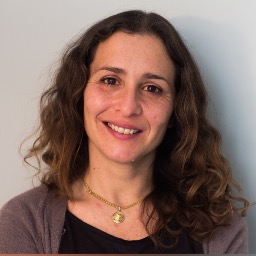
3 years in practice BACP English, Spanish
Practical, compassionate counselling for depression and stress
- Parenting
- Self Esteem
- Career
UK counsellors online
53 counsellors name Spanish among the languages they offer sessions in.
Therapy in your native language can make it easier to express emotions, explain life experiences and connect with a therapist. Browse the Spanish-speaking therapists below to find counsellors who offer support in Spanish.
3 years in practice BACP English, Spanish
Practical, compassionate counselling for depression and stress
NCPS
3 years in practice NCPS English, Spanish
Compassionate person-centred counsellor
BACP, NCPS
18 years in practice BACP, NCPS English, Spanish
Experienced counsellor offering practical support
BACP
20 years in practice BACP English, Spanish
Compassionate counsellor for depression and life changes
BACP
3 years in practice BACP English, Spanish
Calm, practical support for life's hard moments
BACP
8 years in practice BACP English, Spanish
Compassionate counsellor for depression and anxiety
BACP
9 years in practice BACP English, Spanish
Practical psychotherapy for mood and relationships
BACP
3 years in practice BACP English, Spanish
Supportive counsellor for stress and depression
10 years in practice NCPS English, Spanish
Practical, present-focused support for everyday life
BACP
9 years in practice BACP English, Spanish
Warm, practical counselling for depression and life change
NCPS
9 years in practice NCPS English, Spanish
Calm, practical support for everyday stress and change
BACP
12 years in practice BACP English, Spanish
Compassionate, practical counselling for everyday struggles
7 years in practice NCPS English, Spanish
A calm, listening counsellor for life’s hard moments
BACP
4 years in practice BACP English, Spanish
Calm, person-centred support for change
BACP
3 years in practice BACP English, Spanish
Calm, practical support for life changes
BACP
6 years in practice BACP English, Spanish
Understanding support for depression and stress
BACP
4 years in practice BACP English, Spanish
Person-centred counsellor for mood and stress
BACP
10 years in practice BACP English, Spanish
Practical support for stress and depression
4 years in practice BACP English, Spanish
Practical, compassionate support for depression and stress
BACP
11 years in practice BACP English, Spanish
Person-centred counsellor for life changes
BACP
5 years in practice BACP English, Spanish
Experienced counselling for stress and relationships
3 years in practice BACP English, Spanish
Compassionate person-centred counsellor
BACP
22 years in practice BACP English, Spanish
Experienced addiction and mental health counsellor
BACP
4 years in practice BACP English, Spanish
Experienced counsellor who listens deeply
BACP
10 years in practice BACP English, Spanish
Compassionate counsellor for depression and life change
BACP
19 years in practice BACP English, Spanish
Experienced counsellor for depression and life change
9 years in practice BACP English, Spanish
Experienced psychodynamic counsellor with mindfulness focus
BACP
9 years in practice BACP English, Spanish
Compassionate support for life’s toughest moments
BACP
10 years in practice BACP English, Spanish
Calm, practical support for life changes
BACP
12 years in practice BACP English, Spanish
Compassionate counsellor for stress and relationships
BACP
4 years in practice BACP English, Spanish
Supportive counsellor for life changes
BACP
4 years in practice BACP English, Spanish
Compassionate counsellor for anxiety and relationships
BACP
20 years in practice BACP English, Spanish
Experienced bilingual counsellor for emotional recovery
BACP
8 years in practice BACP English, Spanish
Compassionate person-centred counsellor
BACP
3 years in practice BACP English, Spanish
Gentle online therapy for depression and anxiety
BACP
10 years in practice BACP English, Spanish
Compassionate counsellor focused on practical change
BACP
13 years in practice BACP English, Spanish
Experienced integrative counsellor focused on recovery
BACP
5 years in practice BACP English, Spanish
A warm person-centred counsellor
BACP
20 years in practice BACP English, Spanish
Compassionate, practical counselling for everyday challenges
NCPS
3 years in practice NCPS English, Spanish
Compassionate counselling for depression and life changes
NCPS
6 years in practice NCPS English, Spanish
A warm person-centred counsellor
BACP
5 years in practice BACP English, Spanish
Thoughtful client-centred counselling
BACP
5 years in practice BACP English, Spanish
Compassionate counsellor for depression and life change
HCPC
12 years in practice HCPC English, Spanish
Compassionate psychologist focusing on practical change
BACP
3 years in practice BACP English, Spanish
Practical support for stress and low mood
3 years in practice BACP English, Spanish
Compassionate counsellor for life transitions
BACP
23 years in practice BACP English, Spanish
Warm, practical counsellor for life changes
BACP
3 years in practice BACP English, Spanish
Compassionate counsellor for depression and more
We will earn a commission if you sign up through our link, at no cost to you.
When you meet with a therapist who speaks Spanish you are more likely to find the words that truly reflect your feelings and history. Language carries cultural nuance, idioms and emotional resonance that do not always translate well. Saying something in the language you grew up with can bring immediacy to difficult memories, help you describe subtle shifts in mood and let you use familiar metaphors that shape how you understand your experiences. For many people this reduces the extra effort of translating thoughts mid-session and can make emotional work feel more direct and authentic.
Choosing therapy in Spanish also supports cultural understanding beyond vocabulary. A therapist who shares, or is familiar with, Spanish-language cultural practices may be more aware of family dynamics, migration-related stresses and cultural expectations that influence mental health. That context can matter as much as technique. Even when a therapist does not share the same background, being able to converse in Spanish removes a barrier and opens space for culturally informed dialogue about beliefs, traditions and the role of family and community in your life.
Language barriers in therapy can create subtle but important gaps in care. If you must translate thoughts during a session you may find yourself simplifying complex feelings, using neutral or clinical terms because the right emotional word is not available in the language being used. That narrowing of expression can slow progress and make it harder to reach the deeper experiences that therapy often addresses. You may also feel misunderstood more frequently when idioms or culturally specific references are missed, which can erode the sense of connection with a therapist over time.
Beyond vocabulary, language affects rhythm, tone and the comfort of silence. Some languages have more concise ways of conveying distress, while others build meaning through longer stories and context. If you are shifting between languages mid-session you might lose access to the register that lets you feel vulnerable or playful. Recognising these dynamics can help you decide whether working in Spanish will support the kind of emotional exploration you want to do. If you need help framing questions to ask a prospective therapist about language and rapport, focus on how they manage cultural context and how they support clients in expressing emotion in the client s preferred language.
Online therapy in Spanish can look much like in-person work in terms of structure and goals, but the setting changes some practical details. Sessions may take place via video call, phone or messaging, and the style of communication will adapt to the format you choose. You can expect an initial conversation about the reason you are seeking help, what you hope to achieve and how sessions will be organised. Therapists commonly describe their approach, how they work with issues such as anxiety or depression and how they handle sessions that touch on trauma or crisis. Keep in mind that when a therapist lists particular approaches, such as CBT, psychodynamic work, person-centred practice or EMDR among their approaches, that notation reflects how they describe their work rather than an endorsement of specific training on this directory.
Working online in Spanish can reduce the fatigue of travel and make it easier to fit therapy into a busy week. Some people find it more comfortable to stay in a familiar environment while speaking about difficult topics, while others prefer the separation an office provides. If you choose online sessions, consider where you will be during calls, how you will manage interruptions and what you need to feel emotionally safe for deeper conversations. Discussing information-sharing boundaries, session length and payment arrangements in advance can help the first few meetings run more smoothly and allow you to focus on the therapeutic work rather than logistics.
Many Spanish speakers cite cultural stigma as a major barrier to seeking help. In some communities therapy may be viewed as something for extreme crisis only, or there may be worries about judgement from family. These cultural expectations can make it harder to take the first step, and may influence what you are willing to discuss with a therapist. It can help to find a practitioner who respects your cultural background and can discuss family dynamics, religious beliefs or community pressures in ways that do not feel alienating.
Another common concern is finding a therapist who understands migration-related issues, such as separation from family, remittance responsibilities, language loss across generations or the stress of adjusting to a new culture. These themes often appear alongside depression, anxiety and relationship difficulties. Cost and access can also be obstacles, especially if you are looking for therapy that is affordable and delivered in Spanish. Online options can widen the pool of practitioners who speak Spanish, but it is still important to look at registration, experience working with the issues you face and the therapeutic approaches listed by each clinician.
Online therapy expands access to Spanish-speaking practitioners across the UK and beyond. You may be able to find therapists who specialise in the cultural or clinical areas you need without being limited by geography. The flexibility of online sessions can make it easier to arrange regular meetings around work or family commitments, and can reduce the time cost of attending therapy. Many people also report that online sessions help them maintain consistency during busy periods or when travel is difficult.
Choosing the right therapist begins with clarifying your needs. Think about whether you want someone who shares your national or cultural background, someone with experience of migration and cross-cultural work, or a therapist who uses particular approaches. Look for information about registration with relevant UK professional bodies and read descriptions of clinical interests to see how they match your concerns. When you contact a therapist, you can ask about language fluency, the ways they work with cultural issues and what a typical session looks like. It is also reasonable to ask about session length, fees, cancellation policies and how they approach information-sharing boundaries and record keeping to ensure your privacy is respected.
Remember that the therapeutic relationship itself matters more than any single label or approach. You may find that a therapist who lists a certain modality among their approaches is a good fit because of how they relate to you, or you may prefer someone whose manner and questions feel more aligned with your expectations. Trust your sense of whether you can speak openly and be understood. If you feel heard and able to explore difficult emotions in Spanish, you are likely to get the most out of the work.
Seeking therapy in Spanish is an important step in taking care of your mental health. By focusing on language, cultural fit and the practicalities of online work, you can find a therapist who helps you express what matters and supports you in making meaningful changes.