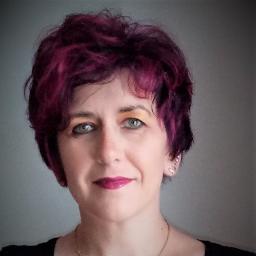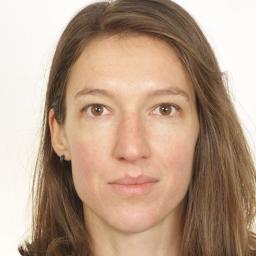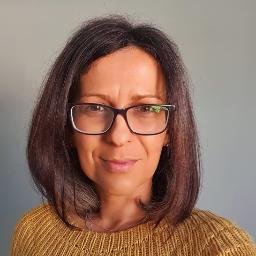
4 years in practice BACP English, Polish
Compassionate, practical counselling for everyday struggles
- Stress & Anxiety
- Relationship
- Family
UK counsellors online
48 counsellors name Polish among the languages they offer sessions in.
Accessing therapy in your native language can make it easier to express complex emotions and personal history. Browse Polish-speaking therapists listed below to find professionals who list Polish among their languages and learn about their approaches and focus areas.
4 years in practice BACP English, Polish
Compassionate, practical counselling for everyday struggles
BACP
3 years in practice BACP English, Polish
Empathic counsellor who listens and adapts
BACP
7 years in practice BACP English, Polish
Compassionate counsellor for steady recovery
5 years in practice NCPS English, Polish
Integrative trauma-informed counselling and hypnotherapy
BACP
4 years in practice BACP English, Polish
Compassionate counsellor for anxiety and depression
BACP
6 years in practice BACP English, Italian
Experienced counsellor blending talk and body work
BACP
5 years in practice BACP English, Polish
Supportive counsellor for depression and life change
BACP, NCPS
13 years in practice BACP, NCPS English, Polish
Counselling that listens and helps you move forward
BACP
17 years in practice BACP English, Polish
Compassionate counsellor for relationship and trauma concerns
BACP
20 years in practice BACP English, Polish
Experienced counsellor for everyday struggles
BACP
3 years in practice BACP English, Polish
Practical support for low mood and life change
BACP
6 years in practice BACP English, Polish
Person-centred counsellor for stress and depression
BACP
9 years in practice BACP English, Polish
Calm counsellor blending teaching and therapy
BACP, NCPS
5 years in practice BACP, NCPS English, Polish
Practical, empathetic counselling for depression
BACP, NCPS
5 years in practice BACP, NCPS English, Polish
Experienced counsellor for depression and anxiety
BACP
15 years in practice BACP English, Polish
Experienced counsellor focused on everyday coping
BACP
4 years in practice BACP English, Polish
Encouraging practical steps toward better mental health
3 years in practice BACP English, Polish
Calm counsellor helping people find practical change
BACP
11 years in practice BACP English, Polish
Exploring patterns, easing distress
BACP
4 years in practice BACP English, Polish
Practical, values‑based therapy for everyday struggles
3 years in practice BACP English, Polish
Gentle, practical therapy for low mood
BACP
9 years in practice BACP English, Polish
Practical support for depression and anxiety
BACP, NCPS
4 years in practice BACP, NCPS English, Polish
Helpful counsellor for mood and stress issues
7 years in practice NCPS English, Polish
Compassionate counsellor for life’s hard moments
BACP
5 years in practice BACP English, Polish
Experienced counsellor helping with depression and relationships
BACP
3 years in practice BACP English, Polish
Compassionate evidence-based support for depression
BACP
3 years in practice BACP English, Polish
A calm, practical counsellor for difficult times
BACP
15 years in practice BACP English, Polish
Compassionate counsellor for depression and life change
BACP
3 years in practice BACP English, Polish
Practical counselling for life challenges
BACP
5 years in practice BACP English, Polish
Compassionate counsellor for depression and life stress
BACP
3 years in practice BACP English, Polish
Compassionate counsellor combining practical therapy
BACP
20 years in practice BACP English, Polish
Experienced counsellor for depression and life change
BACP
3 years in practice BACP English, Polish
Compassionate counsellor for life changes
BACP
3 years in practice BACP English, Polish
Calm, practical counselling for everyday struggles
BACP
2 years in practice BACP English, Polish
Compassionate counsellor for practical change
NCPS
4 years in practice NCPS English, Polish
Compassionate integrative counselling for depression
BACP
15 years in practice BACP English, Polish
Compassionate support for mood and focus
BACP
4 years in practice BACP English, Polish
Compassionate, practical support for everyday struggles
BACP
10 years in practice BACP English, Polish
Practical, person-focused counselling for depression and more
BACP
4 years in practice BACP English, Polish
Warm counsellor focusing on emotional recovery
8 years in practice BACP English, Polish
Compassionate integrative counselling for distress
BACP, NCPS
6 years in practice BACP, NCPS English, Polish
Calm, practical support for life’s hard moments
BACP
3 years in practice BACP English, Polish
Calm, practical support for depression and stress
BACP, NCPS
7 years in practice BACP, NCPS English, Polish
Experienced person-centred counsellor
BACP
4 years in practice BACP English, Polish
Experienced bilingual counsellor for life changes
BACP
6 years in practice BACP English, Polish
Calm, practical counselling for everyday struggles
BACP
3 years in practice BACP English, Polish
Helping people find steady ground
BACP
8 years in practice BACP English, Polish
Calm, practical support for depression and related concerns
We will earn a commission if you sign up through our link, at no cost to you.
When therapy happens in your native language you can draw on the full range of your vocabulary, cultural references and emotional nuance. You may find that certain feelings, idioms or childhood memories are easier to describe in Polish because the words carry specific family and cultural meanings. That ease of expression often helps you and the therapist reach a deeper understanding of what matters to you, because fewer details are lost in translation and fewer explanations are needed for common cultural experiences.
Therapy in Polish can also reduce the emotional distance that sometimes appears when you switch languages. You may notice that metaphors, humour and tone feel more natural in Polish, which can make it simpler to build rapport and trust. For many people the ability to speak in their first language means feeling heard and recognised in a more personal way. That recognition supports a therapeutic relationship where complex or painful topics can be explored with greater clarity and emotional honesty.
Language barriers are not simply about literal translation. They shape how you name feelings, how you recall events and how you interpret a therapist's questions or reflections. If you are working in a second language you might find yourself simplifying explanations, relying on general terms or avoiding metaphors that would feel natural in Polish. That narrowing of expression can lead to misunderstandings or to important themes being missed.
Working in a language that is not your first can also influence emotional processing. Some people find that difficult experiences feel less intense when told in a second language, while others find that nuances are flattened and it is harder to access memories linked to early life. If cultural references are unfamiliar to a therapist, you may find yourself spending time explaining context instead of focusing on the feeling. Choosing a Polish-speaking therapist reduces those obstacles and helps ensure that the emotional content of your story is preserved and attended to.
Online therapy can offer a practical route to working with a Polish-speaking therapist even if there are few local options where you live. In an online session you will typically meet through a video call or telephone, and the structure will depend on the therapist's working style and the issues you bring. Sessions often begin with an initial conversation to establish what you want to work on, how you prefer to communicate, and which approaches feel most helpful to you.
You may encounter therapists who list different approaches among their methods, such as cognitive and behavioural techniques, psychodynamic perspectives or trauma-informed work. These descriptions suggest how a therapist might frame sessions but do not by themselves guarantee a particular outcome. In online therapy you should expect practical considerations to be discussed too - such as how to manage interruptions, how to create a comfortable setting at your end and what to do in case of technical problems. A good working relationship often develops from clear communication about these practicalities as well as the emotional content of the work.
People from Polish-speaking communities sometimes face particular worries when thinking about counselling. Cultural stigma around mental health can make it harder to ask for help, especially if earlier generations saw emotional struggles as personal matters to be kept within the family. You may feel anxious about being judged or about what friends and relatives might think if they learn you are receiving therapy. Those concerns are common and can be discussed with a therapist in a way that honours cultural values while also addressing your needs.
Another common challenge is finding a therapist who understands both language and cultural nuances. You might want someone who recognises specific cultural expectations, migration experiences or family dynamics that are common in Polish communities. It is reasonable to look for a therapist who mentions relevant areas of experience or who describes familiarity with cross-cultural issues. Accessibility can also be a concern - geographical distance or work and family responsibilities can make in-person sessions difficult. For many people, the option to search for Polish-speaking therapists online widens the pool of potential matches and makes it easier to find a professional whose approach matches your goals.
Online therapy expands access to counsellors who list Polish among their languages, so you can find a clinician whose background and approach feel right for you even if they are not local. This flexibility is particularly useful if you live in a rural area or a community with limited Polish-language resources. You can choose a therapist who aligns with your preferences for therapeutic style, whether that is shorter-term goal-focused work or a longer-term reflective process.
Online sessions also offer practical benefits for your schedule and comfort. You can attend from a location where you feel relaxed, whether that is at home or another setting that supports privacy and concentration. The reduced need to travel can make it easier to maintain regular sessions, which supports continuity and progress. Many people find that speaking in their native language through an online platform helps preserve the natural flow of conversation, and that the conveniences of digital sessions make it simpler to fit therapy into a busy life.
Start by thinking about what matters most to you in therapy - whether you prefer a structured, solution-focused approach or a slower, reflective process. Look for therapists who list languages and approaches that match those preferences, and read their profiles to understand how they describe their work with clients. You may want someone who mentions experience with particular life stages, family issues, bereavement, trauma or mood concerns, or someone who highlights cultural understanding and migration-related experiences.
Consider practical factors such as session length, fees and whether the therapist works online, in person or both. Many therapists note their professional registration or membership with UK counselling bodies, which can help you identify practitioners who follow recognised ethical standards. When you reach out, pay attention to how easily you can talk through initial questions in Polish and whether the therapist communicates clearly about the therapeutic process. Trust your sense of being heard and understood; a good match often feels like a conversation that leaves you more able to reflect on what you brought to the session.
Finding a therapist who speaks Polish can be an important step toward feeling understood, addressing difficult topics and making steady progress. Take the time to read profiles, reflect on what you need from therapy and begin with an initial conversation that gives you a sense of the working relationship. With clearer communication and a shared language, therapy can become a more accessible and meaningful resource for your wellbeing.