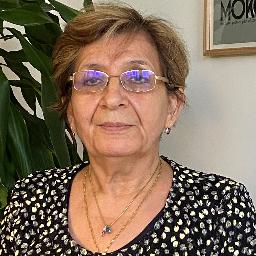
Paolo De Luca
BACP
8 years in practice BACP English, Italian
Experienced psychodynamic counsellor
- Relationship
- Trauma and Abuse
- Intimacy Issues
UK counsellors online
40 counsellors name Italian among the languages they offer sessions in.
Accessing therapy in your native language can help you express feelings and experiences with greater clarity. Below you can browse profiles of Italian-speaking therapists to explore approaches and specialisms that may suit your needs.
BACP
8 years in practice BACP English, Italian
Experienced psychodynamic counsellor
BACP
17 years in practice BACP English, Italian
Warm, multicultural counsellor focused on meaningful change
BACP
6 years in practice BACP English, Italian
Practical counselling for clearer everyday choices
BACP
4 years in practice BACP English, Italian
Calm, relational counselling for everyday struggles
40 years in practice BACP English, Italian
Compassionate counselling with creative practice
NCPS
14 years in practice NCPS English, Italian
Mindfulness-based counsellor focusing on emotional balance
BACP
12 years in practice BACP English, French
Compassionate, practical therapy for everyday struggles
BACP
6 years in practice BACP English, Italian
Experienced counsellor blending talk and body work
BACP
3 years in practice BACP English, Italian
Calm, practical support for low mood and stress
NCPS
9 years in practice NCPS English, Dutch
Compassionate counsellor for everyday struggles
BACP
27 years in practice BACP English, Italian
Experienced systemic therapist for relationship and life issues
BACP
7 years in practice BACP English, Italian
Experienced counsellor for everyday struggles
BACP
6 years in practice BACP English, Italian
Supportive counsellor with practical tools
BACP
3 years in practice BACP English, Albanian
Compassionate counsellor focused on practical change
BACP
3 years in practice BACP English, Spanish
Calm, practical support for life changes
BACP
8 years in practice BACP English, Italian
Supportive counsellor focused on personal growth
BACP
4 years in practice BACP English, Italian
Calm, practical support for depression and anxiety
BACP
8 years in practice BACP English, Italian
Empathic counsellor using CBT and client-centred work
BACP
4 years in practice BACP English, Italian
Compassionate counsellor for stress and mood
BACP
5 years in practice BACP English, Italian
Calm, reflective therapy for depression and anxiety
BACP
11 years in practice BACP English, French
Compassionate counsellor for depression and life change
HCPC
14 years in practice HCPC English, Italian
Experienced HCPC counsellor for emotional recovery
BACP
3 years in practice BACP English, Spanish
Gentle online therapy for depression and anxiety
BACP
16 years in practice BACP English, Italian
Experienced counsellor supporting depression recovery
HCPC
21 years in practice HCPC English, Italian
Calm, practical support for stress and depression
BACP
14 years in practice BACP English, Italian
Calm, practical counselling for everyday struggles
BACP
5 years in practice BACP English, Italian
Gentle, practical therapy for everyday struggles
BACP
5 years in practice BACP English, Spanish
A warm person-centred counsellor
NCPS
9 years in practice NCPS English, Italian
Understanding patterns to ease depression and anxiety
BACP
5 years in practice BACP English, Spanish
Thoughtful client-centred counselling
BACP
6 years in practice BACP English, Italian
Compassionate counsellor blending listening and practical tools
BACP, NCPS
8 years in practice BACP, NCPS English, Italian
Experienced counsellor supporting mood and stress management
BACP
5 years in practice BACP English, Italian
Warm, practical counsellor and life coach
10 years in practice BACP English, Italian
An experienced counsellor for life changes
BACP
7 years in practice BACP English, French
Experienced counsellor focusing on relational change
HCPC
7 years in practice HCPC English, Italian
Practical, empathic therapy for depression and stress
BACP
4 years in practice BACP English, Italian
Gentle, practical therapy for life changes
NCPS
3 years in practice NCPS English, Italian
Warm relationship counsellor focused on connection
BACP
4 years in practice BACP English, Italian
Compassionate counsellor for depression and life changes
BACP
8 years in practice BACP English, Italian
Practical counselling for depression and life change
We will earn a commission if you sign up through our link, at no cost to you.
When you speak in your first language you are more likely to reach subtle layers of meaning, draw on cultural references and use expressions that carry emotional weight. For many people, working with a therapist who speaks Italian means that metaphors, humour and idioms are shared rather than translated, which can help conversations feel more immediate and easier to follow. You may find it easier to name emotions, recall memories and describe bodily sensations when you do so in Italian, which supports clearer communication about what you are experiencing. That clarity can help both you and the therapist identify themes and choices that matter to you.
Language also shapes the relationship you have with a practitioner. Using Italian can reduce the extra cognitive load of translating thoughts in your head before saying them out loud, leaving more space for reflection. For many people who grew up in Italian-speaking households, therapy in that language can feel culturally familiar - from patterns of family conversation to shared expectations about care. If cultural fit matters to you, being able to speak through that shared linguistic lens can influence the tone of sessions and the way you and a counsellor approach sensitive topics.
Working across a language barrier can change the shape of therapy. When you or a therapist are using a second language, you may find conversations become more factual and less expressive, or that certain emotions are harder to access. This can mean you spend more energy finding words, which reduces the bandwidth available for reflection and insight. You might also notice that certain cultural nuances - such as the meaning of particular family roles or religious observances - are flattened when not discussed in the language that holds them.
Misunderstandings can arise more easily when idioms, tone or subtle humour are not shared. Even small differences in phrasing can change how an intervention is experienced. For those reasons you may prefer a therapist who is comfortable working in Italian or who has experience with Italian culture. If you are considering therapy where translation might be necessary, it is helpful to know that the process often requires additional time for clarifying and checking meaning. You should feel able to pause conversations and invite clarification so that nuance is preserved rather than assumed.
Online therapy can make it easier to find a practitioner who speaks Italian, because geography matters less. When you choose online sessions you can attend from a comfortable environment of your choosing, whether that is a quiet room at home or another setting where you can focus. In practical terms you should expect sessions to follow a familiar rhythm - an initial exploration of your concerns, collaborative goal-setting and regular review of progress - but the exact style will depend on the therapist's approach and your preferences.
Many therapists who work online use a mix of talking and practical techniques adapted for video or phone sessions. If you have a particular approach in mind, look for therapists who list that method among their approaches, for example cognitive behavioural therapy, psychodynamic work or therapists who list EMDR among their approaches. It is reasonable to ask how a therapist adapts their way of working for online sessions and what platforms or tools they use for sharing resources. You should also consider how to create continuity of care if you move or travel - online work can help maintain contact across distances, but it may involve time zone or scheduling considerations that you will want to plan for.
Cultural expectations and stigma around mental health can influence whether and how you seek support. In some Italian communities there may be an emphasis on family resilience or a reluctance to speak openly about personal difficulties outside the family. You might worry about how a counsellor will understand family dynamics, cultural obligations or intergenerational expectations. These are legitimate concerns to raise early in sessions so you can assess whether a therapist's understanding of cultural context matches your needs.
Finding a practitioner who speaks Italian can also be challenging depending on where you live. You may encounter clinicians who offer partial language ability rather than fluency, or therapists who learned Italian later in life. Dialect and regional differences can matter too - the vocabulary and cultural references the therapist uses may feel closer to your experience if they share a similar background. Many people find it useful to read profiles and biographies carefully to get a sense of language use, cultural competence and client focus, and to prioritise what matters most for them - whether that is shared nationality, cultural knowledge or simply fluency in Italian.
Online therapy widens the pool of practitioners you can reach because you are not limited by distance. That increases the chances of finding someone who speaks Italian and whose specialisms match your concerns. For people living outside major cities or in areas with fewer Italian-speaking therapists, video or phone sessions can be an effective way to access someone whose cultural and linguistic background fits your needs. Online work can also offer greater flexibility around timing, and it may be easier to fit sessions around work, family or study commitments.
Online therapy can make it simpler to involve family members or significant others when appropriate, for example in joint sessions, without needing to travel. It can also allow you to switch between in-person and remote sessions if you and a therapist agree that a blended approach would be useful. For many clients, the main advantage is practical - being able to find a clinician who speaks Italian and to attend sessions from a location that feels comfortable for you.
Start by clarifying what matters most to you. Are you looking for someone who shares your regional background or who has experience with certain life stages, such as parenting, bereavement or workplace stress? Do you prefer a therapist who uses a particular approach, or are you more focused on finding someone who listens in a way that feels validating? When you read profiles, look for how therapists describe their languages, specialisms and the client groups they work with. Pay attention to whether they note registration with recognised UK professional bodies, as this indicates that they work within established professional standards.
Think about practical details that affect your experience. Consider session length, fees and whether the therapist explains how they work with cultural differences. If you have questions about how they adapt a method for online work, or how they handle sensitive topics that are culturally specific, it is appropriate to raise these in an introductory message or conversation. You may also want to check whether the therapist uses Italian as their main language or whether they offer bilingual work alongside English. Trust your sense of fit - rapport often emerges in the first few meetings, and it is reasonable to reflect on how comfortable you feel expressing core concerns in Italian with that person.
Seeking a therapist who speaks Italian is a meaningful step towards clearer communication and cultural understanding in your care. By focusing on language, cultural fit and the practicalities of online work, you increase the chance of finding a practitioner who can help you explore your concerns in a way that feels authentic. Use the directory listings below to read profiles, note approaches and specialisms, and begin a considered search that centres your needs and preferences.