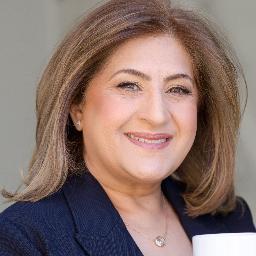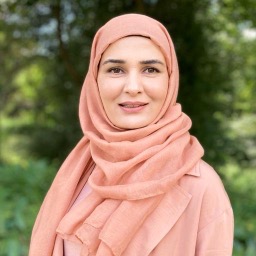
Anamika Saggar
BACP
12 years in practice BACP English, Hindi
Compassionate counsellor focused on practical change
- Stress & Anxiety
- Relationship
- Grief
UK counsellors online
41 counsellors name Urdu among the languages they offer sessions in.
Therapy in your native language can make it easier to talk about feelings, identity and cultural experiences. Browse the Urdu-speaking therapists listed below to review profiles and approaches that may suit your needs.
BACP
12 years in practice BACP English, Hindi
Compassionate counsellor focused on practical change
BACP
4 years in practice BACP English, Bengali
Compassionate support for people managing depression
BACP
10 years in practice BACP English, Urdu
Compassionate counsellor for anxiety and depression
BACP
5 years in practice BACP English, Bengali
Compassionate counsellor for relationship and mood concerns
BACP
4 years in practice BACP English, Urdu
Compassionate counsellor helping with life challenges
BACP
8 years in practice BACP English, Hindi
Practical, compassionate counselling support
8 years in practice BACP English, Hindi
Supportive counsellor for anxiety and depression
BACP
6 years in practice BACP English, Punjabi
Calm, culturally aware counselling for everyday struggles
BACP
19 years in practice BACP English, Hindi
Client-centred counsellor for life’s hard moments
BACP
15 years in practice BACP English, Punjabi
Compassionate counsellor for emotional recovery
BACP
4 years in practice BACP English, Punjabi
Hopeful, practical counselling support
BACP
5 years in practice BACP English, Hindi
Calm, practical support for depression and stress
BACP
9 years in practice BACP English, Hindi
Compassionate counsellor for clearer thinking
16 years in practice NCPS English, Hindi
Experienced integrative counsellor with a practical style
NCPS
4 years in practice NCPS English, Punjabi
Supportive client-centred counselling for daily challenges
BACP
5 years in practice BACP English, Hindi
A compassionate counsellor for common life struggles
BACP
6 years in practice BACP English, Urdu
Compassionate relational counselling for life’s hard moments
BACP
4 years in practice BACP English, Hindi
Warm practical support for low mood and relationships
HCPC
14 years in practice HCPC English, Hindi
Supportive counselling for stress and depression
37 years in practice NCPS English, Hindi
Experienced counsellor focused on practical coping
BACP
12 years in practice BACP English, Punjabi
Thoughtful counselling for stress and depression
BACP
6 years in practice BACP English, Punjabi
Finding steadier footing through practical therapy
BACP
27 years in practice BACP English, Punjabi
Experienced counsellor specialising in emotional wellbeing
BACP
21 years in practice BACP English, Gujarati
Experienced counsellor for stress and relationships
HCPC
15 years in practice HCPC English, Hindi
Experienced psychologist offering calm practical support
BACP, NCPS
4 years in practice BACP, NCPS English, Hindi
Compassionate talking therapy for life’s hard moments
BACP
22 years in practice BACP English, Punjabi
Practical, culturally aware counselling for everyday struggles
BACP
3 years in practice BACP English, Urdu
Practical counselling for depression and stress
BACP
9 years in practice BACP English, Hindi
Gentle, practical counselling for life stresses
BACP
3 years in practice BACP English, Hindi
Calm, practical support for difficult feelings
NCPS
3 years in practice NCPS English, Hindi
Compassionate counsellor for stress and low mood
BACP
4 years in practice BACP English, Hindi
Compassionate counsellor for life’s hard moments
BACP
12 years in practice BACP English, Urdu
Compassionate counselling for everyday struggles
BACP
7 years in practice BACP English, Urdu
Calm, practical support for life’s hard moments
NCPS
15 years in practice NCPS English, Urdu
Compassionate integrative counsellor for everyday struggles
BACP
5 years in practice BACP English, Hindi
Gentle practical support for low mood and stress
BACP
5 years in practice BACP English, Hindi
Compassionate counsellor focused on practical change
BACP
3 years in practice BACP English, Punjabi
Compassionate, practical counselling for life challenges
BACP
7 years in practice BACP English, Urdu
Supporting people through depression and life change
BACP
4 years in practice BACP English, Hindi
Empathetic counsellor helping with low mood and life change
BACP
3 years in practice BACP English, Punjabi
Gentle, practical support for life’s hard moments
We will earn a commission if you sign up through our link, at no cost to you.
Having therapy in Urdu can change the way you experience a therapeutic relationship. When you and a therapist share the same language, you are more likely to find words that fit the emotional subtleties you want to express. Some feelings and cultural references do not translate easily, and being able to discuss them in Urdu can allow metaphors, humour and idioms to come through naturally. That familiarity can help you feel understood without the added work of translating thoughts into another language before speaking.
Beyond vocabulary, language carries cultural context. Conversations about family expectations, faith, honour, and migration experience are often wrapped up in cultural meaning that is easier to convey in Urdu. You may find it simpler to describe the tone and rhythm of your experience when you are not shifting between languages. This can help you and the therapist explore relationships, coping habits and sources of distress with greater nuance. Therapy in Urdu often feels more personal because it sits within the linguistic frame you grew up with.
If you see a therapist who does not speak Urdu, you might need to explain complex feelings in English or another language. That effort can alter the shape of what you say, and subtle meanings can be lost. Words that in Urdu carry cultural weight or spiritual resonance may feel flat or inaccurate when translated. As a result, you might experience frustration, feel that something important was not heard, or choose to withhold certain topics rather than struggle to find equivalent language.
Language differences can also affect the pace and depth of therapy. Sessions may require more time for explanation and clarification, which could leave less room for reflection and processing. You may find yourself focusing on explaining cultural context instead of exploring emotions. When you speak in your preferred language, you are more able to access memories, metaphors and jokes that reveal underlying patterns. That fluency often helps the therapeutic work feel more direct and less effortful.
Online sessions with an Urdu-speaking therapist tend to follow the same general structure as face-to-face work, but with practical differences to consider. You can expect an initial conversation focused on what brings you to therapy and how you prefer to communicate. The therapist may ask about your cultural background, family dynamics and any previous contact with mental health support. Over subsequent meetings, you may notice that speaking in Urdu allows you to move more quickly into sensitive topics or to express difficult emotions in ways that feel closer to your everyday speech.
Sessions are commonly held via video or phone. If you choose video, check that your internet connection, camera and microphone are comfortable to use. You may find a quieter room or a comfortable chair helps you concentrate. Because you will be speaking in Urdu, you can bring cultural references, poetry or religious expressions into the session without needing to explain every nuance. That can make the process feel more human and less clinical. If you have concerns about privacy, discuss them with the therapist at the start of your work so you understand how they handle notes and communications.
Many Urdu-speaking people worry about stigma within families or communities when they consider therapy. There may be fears about how seeking help will be perceived, or concerns that discussing mental health could be seen as a sign of weakness. For some, information-sharing boundaries within a family network is a major worry. Talking to a therapist who understands these cultural dynamics and speaks Urdu can help you find ways to approach conversations with relatives or to manage expectations without compromising your needs.
Finding a therapist who both speaks Urdu and understands the cultural nuances important to you can feel daunting. You may wonder whether a therapist shares your values about religion, family roles or migration history. These are reasonable considerations. It can be helpful to look for therapists who mention specific experience with cross-cultural issues, migration stress, or family conflict in their profiles, and who describe the ways they work with clients from similar backgrounds. Remember that a cultural fit can matter as much as language, and you are entitled to explore how comfortable you feel with a therapist before committing to longer-term work.
Online therapy widens the pool of therapists you can consider. If there are few Urdu-speaking clinicians near you, digital sessions let you connect with someone elsewhere in the UK who shares your language and cultural background. That can increase the chance of finding a therapist who uses approaches and perspectives you value. For people living in areas with limited mental health services, this reach can make a real difference to the options available.
Online work can be more flexible around busy lives. You may find it easier to fit short or regular sessions into your week without travel time. For people juggling work, childcare or eldercare responsibilities, this flexibility can reduce the friction of accessing support. Online sessions also allow you to join from a familiar setting, which can help some people feel more comfortable speaking openly in Urdu. Choosing a place where you will not be disturbed and where you feel at ease can improve your ability to concentrate on the therapeutic work.
Before you begin searching, think about what you need from therapy. Are you looking for help with depression or anxiety, support for relationship or family issues, or help processing migration and loss? Do you prefer a more directive approach or a reflective space to explore feelings? Knowing your priorities will help you read profiles with a clearer lens and narrow choices to therapists whose descriptions match your needs.
Language is a crucial part of the equation, but it is not the only factor. Consider the therapist's stated areas of focus, the populations they mention, and the approaches they list. If you see modalities referenced, the profile may note that they are "therapists who list EMDR among their approaches" or similar phrasing. That indicates an interest in certain methods without implying formal credentials beyond what is listed. Pay attention to how therapists describe their contact style, whether they mention cultural or faith-aware practice, and how they talk about working with families or communities.
When you begin work with a therapist, use the first sessions to sense how comfortable you feel speaking in Urdu and how well the therapist hears the cultural aspects of your story. It is acceptable to raise questions about how they approach topics that are important to you, such as family involvement or religious beliefs. Your comfort with the therapist's listening style, tone and curiosity is a key indicator of whether the relationship will be useful. If something does not feel right, you can seek another Urdu-speaking clinician whose style aligns better with your needs.
Seeking therapy is a personal step and finding a therapist who speaks Urdu can make that step feel more natural. With online options and clear thinking about what you want, you can find someone who helps you explore feelings and navigate the challenges you face in a language that matters to you.