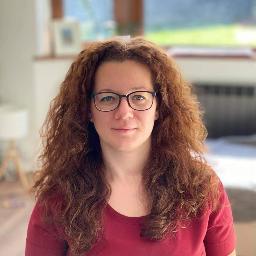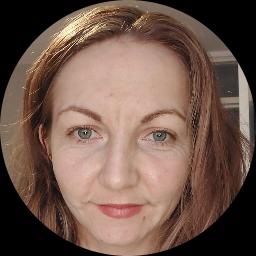
Mihaela Oceanu
BACP
13 years in practice BACP English, Romanian
Calm counsellor helping people with depression and anxiety
- Stress & Anxiety
- Relationship
- Trauma and Abuse
UK counsellors online
27 counsellors name Romanian among the languages they offer sessions in.
Therapy in your native language can make a meaningful difference to how you understand and express your feelings. Below you can browse profiles of therapists who provide services in Romanian and find a practitioner whose approach and background match your needs.
BACP
13 years in practice BACP English, Romanian
Calm counsellor helping people with depression and anxiety
BACP, NCPS
7 years in practice BACP, NCPS English, Romanian
Calm, practical therapy for low mood and stress
BACP
6 years in practice BACP English, Romanian
Compassionate counsellor for depression and life change
BACP
14 years in practice BACP English, Romanian
Therapist blending meaning with everyday coping
BACP
11 years in practice BACP English, Romanian
Experienced counsellor for depression and relationships
BACP
8 years in practice BACP English, Romanian
Calm, practical support for life's challenges
BACP
8 years in practice BACP English, Romanian
Practical, person-centred support for depression and stress
BACP, NCPS
4 years in practice BACP, NCPS English, Romanian
Warm counsellor for relationship and mood concerns
NCPS
8 years in practice NCPS English, Romanian
Calm, practical counselling for everyday struggles
BACP
4 years in practice BACP English, French
Compassionate counsellor for life transitions
BACP
10 years in practice BACP English, Spanish
Calm, practical support for life changes
BACP
3 years in practice BACP English, Romanian
Warm, practical psychotherapist
BACP
5 years in practice BACP English, Romanian
Thoughtful integrative counselling for everyday life
BACP
6 years in practice BACP English, Romanian
Compassionate counsellor for life transitions
BACP
6 years in practice BACP English, Romanian
Supportive counsellor with practical focus
BACP
6 years in practice BACP English, Romanian
Compassionate counsellor for emotional recovery
NCPS
20 years in practice NCPS English, Romanian
Experienced therapist for life transitions
BACP
15 years in practice BACP English, French
Supportive counsellor for life changes
NCPS
10 years in practice NCPS English, Romanian
Compassionate relational psychotherapy
BACP
3 years in practice BACP English, Hungarian
Experienced client-centred counsellor
BACP
4 years in practice BACP English, Romanian
Gentle, practical counselling for life’s hard moments
BACP
7 years in practice BACP English, Romanian
Experienced counsellor focused on practical change
BACP
10 years in practice BACP English, Romanian
Compassionate counsellor for depression and stress
NCPS
6 years in practice NCPS English, Romanian
Counselling with a person-centred focus
BACP, NCPS
12 years in practice BACP, NCPS English, Romanian
Gentle, practical online counselling for life changes
BACP
22 years in practice BACP English, Romanian
Compassionate counsellor for life transitions
NCPS
12 years in practice NCPS English, Romanian
Empathic counsellor offering practical help
We will earn a commission if you sign up through our link, at no cost to you.
When you meet with a therapist who speaks Romanian you are more likely to be understood in the terms and metaphors that feel natural to you. Language is more than a tool for conveying facts - it shapes how emotions, memories and cultural expectations are named and felt. You might find it easier to explain family dynamics, childhood stories and culturally specific experiences in Romanian, rather than translating them into another language. That reduction in translation makes sessions feel less effortful and can help you access subtle emotional material that would otherwise remain out of reach.
Speaking in your first language also helps preserve the nuance of idioms and expressions that carry personal meaning. Certain phrases and modes of description are tightly bound to cultural context, and those are often the places where important therapeutic work happens. In addition, choosing to speak Romanian can reduce the cognitive load of switching languages, leaving more mental space for reflection, insight and the development of coping strategies. For many people, that alone makes therapy more comfortable and productive.
Language barriers do not only mean occasional misunderstanding. When you and a therapist do not share a full command of the same language, small misinterpretations can change the course of a conversation and the meaning of an intervention. You might feel constrained to use simpler vocabulary or to omit culturally charged details because they are difficult to translate. That can leave important parts of your experience unexplored, and it can shape the sense that therapy is not fully relevant to your life.
Beyond vocabulary, language influences pacing, tone and the ways humour and irony are used. If those elements are missing, you may feel less able to build rapport or to convey complex emotions like shame, pride or ambivalence. This is not about judgement of any provider - it is about the limits that come with translating rich personal material into a language that feels less immediate. Finding a Romanian-speaking therapist reduces the risk of such losses and supports a fuller exploration of what matters to you.
Online therapy with a Romanian-speaking practitioner often resembles in-person work in structure and aims, although the medium changes some practicalities. Sessions tend to follow a familiar format: a chance to share what is on your mind, collaborative exploration of patterns and goals, and the introduction of strategies or reflections to support change between appointments. You should expect to discuss how you prefer to work, what you hope to achieve and the kinds of approaches that might be used to support those aims.
Technology enables conversation across distances, so you can connect with therapists who live elsewhere in the UK or who use video and messaging to conduct sessions. Many Romanian-speaking therapists list a range of approaches, and you will see descriptions that might include talking therapies, systemic ideas or trauma-focused methods. Some therapists list EMDR among their approaches; that should be read as an indication of the technique appearing in their profile rather than as a statement about formal credentialing. In the UK context, you will also see references to whether a practitioner is registered, accredited or otherwise qualified to practise. Expect to have an initial conversation about practical arrangements, information-sharing boundaries and how remote sessions will be handled in a comfortable environment.
Many Romanian speakers carry concerns related to cultural attitudes and stigma. In some families and communities, mental health difficulties are framed in terms of personal weakness or are minimised as transient worries. You might worry about how family members will respond if they learn you are seeking support, or you may feel shame about discussing sensitive topics. Those feelings are understandable and commonly shared by people from a broad range of backgrounds.
Another common issue is the challenge of finding providers who both speak Romanian and have experience with issues that matter to you - for example migration-related stress, adapting to life in the UK, intergenerational conflict or bereavement. Navigating systems and terminology in a second language adds another layer of difficulty. It is also not uncommon for people to wonder whether a bilingual family member could act as an interpreter; while that might seem convenient, many people find it compromises personal boundaries and limits what can be discussed openly. You may prefer a therapist who speaks Romanian so that you can explore sensitive topics without involving relatives or friends.
Online therapy widens the pool of Romanian-speaking practitioners you can reach. If you live in an area with few Romanian-speaking providers, remote sessions allow you to connect with therapists across the UK. This greater choice helps you find someone whose approach, clinical interests and professional background match what you need. Remote work also often offers greater flexibility around scheduling and reduces travel time, which can make it easier to sustain therapy alongside work, family and other commitments.
When choosing a Romanian-speaking therapist, think about language fluency and cultural understanding in practical terms. You may value someone who is a native speaker or who describes significant personal or professional experience within Romanian-speaking communities. Look at how they describe their therapeutic approach and whether that matches your preferences; remember that listing a method is not an assurance of specific training, so focus on how they explain their work and how comfortable you feel with that explanation. Check whether a practitioner is registered, accredited or qualified in the UK as this indicates adherence to professional standards and practice guidelines.
It can help to reflect on goals before you begin. Are you seeking help with depressive symptoms, anxiety, relationship challenges or life transitions connected to migration? Knowing this will guide you towards therapists who describe relevant experience. Also consider practical matters such as session length, the platforms they use and how they handle records and boundaries in a remote setting. A brief introductory conversation can give you a sense of communication style and whether you feel respected and listened to - two key factors in therapeutic success. Trust your instincts: the right match often comes down to how the therapist makes you feel and whether their way of working aligns with the outcomes you hope for.
Ultimately, finding a Romanian-speaking therapist is about making therapy more accessible and meaningful. Whether you connect online or in person, speaking in your native tongue can open new paths to understanding, reduce the effort of translation and allow you to bring your whole experience into the room. If you are ready to begin, exploring the profiles below is a practical first step toward finding a clinician whose language and approach resonate with you.