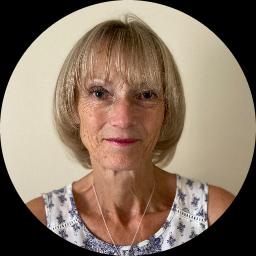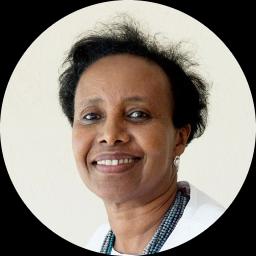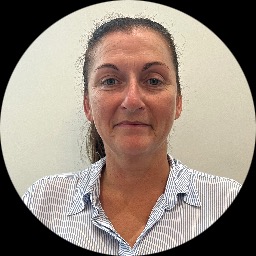
3 years in practice BACP English, Spanish
Practical, compassionate counselling for depression and stress
- Parenting
- Self Esteem
- Career
UK counsellors online
661 counsellors name immigration issues among the things they work with. All offer sessions online across the United Kingdom; each profile shows their register, experience and languages.
This page lists counsellors who focus on immigration issues and related challenges. Explore practitioner profiles to learn about their approaches, professional registrations and languages, and browse the listings below to find a match for your needs.
3 years in practice BACP English, Spanish
Practical, compassionate counselling for depression and stress
11 years in practice BACP English, French
A steady, thoughtful counsellor for lasting change
BACP
3 years in practice BACP
A practical counsellor for everyday struggles
BACP
6 years in practice BACP English, Thai
Warm culturally aware counsellor
BACP, NCPS
5 years in practice BACP, NCPS
Practical, values-led counselling and CBT support
BACP
27 years in practice BACP English, Portuguese
Empathetic counsellor for life and relationship challenges
BACP
15 years in practice BACP English, Yoruba
Calm, practical support for life's challenges
BACP
11 years in practice BACP
Practical support for stress and depression
NCPS
5 years in practice NCPS
Calm, practical therapy for daily struggles
BACP
17 years in practice BACP English, Italian
Warm, multicultural counsellor focused on meaningful change
BACP
9 years in practice BACP
Compassionate counsellor supporting personal growth
BACP
14 years in practice BACP
Calm, practical counselling for depression and relationships
BACP
6 years in practice BACP English, French
Compassionate counsellor for mood and life struggles
BACP, NCPS
18 years in practice BACP, NCPS English, Spanish
Experienced counsellor offering practical support
BACP
4 years in practice BACP English, Ndebele, South
Calm, non-judgemental counsellor for life changes
BACP
26 years in practice BACP English, Arabic
Experienced counsellor supporting trauma and depression
5 years in practice BACP
Compassionate relational counselling for everyday life
BACP
5 years in practice BACP
Compassionate counsellor for life transitions and mood
NCPS
4 years in practice NCPS
Practical, compassionate counselling for daily struggles
BACP
20 years in practice BACP
Warm person-centred counsellor for depression and stress
BACP
5 years in practice BACP
Warm counsellor blending coaching and therapy
BACP
5 years in practice BACP
Hopeful listening and steady support
NCPS
5 years in practice NCPS English, Mandarin
Practical, compassionate support for low mood
BACP
4 years in practice BACP
Practical, person-focused counselling for depression
BACP
11 years in practice BACP English, Igbo
Gentle, practical therapy for life challenges
BACP
13 years in practice BACP
Experienced integrative counsellor
BACP
6 years in practice BACP
Kind, practical counsellor for everyday struggles
BACP
4 years in practice BACP English, Italian
Calm, relational counselling for everyday struggles
BACP
3 years in practice BACP English, Tamil
Calm, practical counselling for everyday struggles
BACP
13 years in practice BACP
Compassionate, practical therapy for everyday struggles
BACP
6 years in practice BACP
Compassionate counsellor for life transitions
5 years in practice NCPS English, Polish
Integrative trauma-informed counselling and hypnotherapy
10 years in practice BACP English, Portuguese
Calm, practical therapy for everyday struggles
BACP
13 years in practice BACP
Calm, practical support for depression and life change
BACP
5 years in practice BACP
Compassionate counsellor focusing on mood and relationships
40 years in practice BACP English, Italian
Compassionate counselling with creative practice
BACP
3 years in practice BACP
Compassionate, client-led counselling for everyday struggles
NCPS
4 years in practice NCPS
Supportive counsellor for depression and stress
BACP
10 years in practice BACP
Experienced UK counsellor for anxiety and depression
BACP
22 years in practice BACP
Experienced counsellor focused on wellbeing
BACP
6 years in practice BACP English, Gujarati
Supportive counsellor for depression and relationships
BACP
14 years in practice BACP
Compassionate therapist for life change
BACP
3 years in practice BACP
Supportive counsellor for depression and anxiety
BACP
12 years in practice BACP
Compassionate support for depression and life challenges
BACP
3 years in practice BACP
Therapist focusing on personal insight and support
BACP
5 years in practice BACP
Experienced counsellor for everyday struggles
BACP
4 years in practice BACP
A calm, practical counsellor for everyday struggles
BACP
3 years in practice BACP
Practical counselling for stress and depression
We will earn a commission if you sign up through our link, at no cost to you.
Immigration issues cover a wide range of experiences connected to moving countries, seeking asylum, applying for visas, family migration, and settling into a new life. The process often involves legal complexity, uncertain outcomes and changes to everyday routines. You may be dealing with separation from loved ones, loss of familiar social supports, unfamiliar systems and cultural differences. These practical and social stresses can interact with past experiences of persecution, conflict or trauma, and make it harder to rebuild a sense of stability.
Emotional reactions to immigration processes are normal, but they can also be intense and persistent. You might notice heightened anxiety about hearings or paperwork, grief for the life you left behind, or difficulties with sleep and concentration. In many cases the impact touches relationships, work, education and a sense of identity. Counselling is often sought not only for distress linked to specific legal or social events, but also for the longer-term process of integrating a changed life story and finding ways to cope with ongoing uncertainty.
You may recognise a range of signs that suggest counselling could help. Emotional experiences such as persistent worry, sudden panic, intrusive memories of traumatic events, or prolonged low mood can all be indicators. Behavioural changes may include avoiding reminders of difficult experiences, withdrawing from family or community, difficulty forming trusting relationships, or finding it hard to manage everyday tasks.
Practical consequences often accompany these emotional signs. You might struggle with concentrating at work or study, miss appointments, or find communication with services and officials overwhelming. Some people feel a deep sense of loss - not only for what was left behind, but for roles and routines that gave life meaning. These reactions are common and understandable, and counselling can provide a space to make sense of them and develop coping strategies that fit your circumstances.
Early sessions typically focus on understanding your background, the immigration context and the priorities you bring to therapy. Your counsellor will want to hear about your migration story, current stressors, support network and what you hope to change. This helps to shape clear, practical goals - for example reducing panic symptoms, managing paperwork-related anxiety, processing trauma memories, improving family communication, or building routines that support daily functioning.
Different counsellors take different approaches, and some will describe a mix of methods on their profiles. You may find therapists who list cognitive behavioural approaches that focus on thoughts and behaviour patterns, psychodynamic perspectives that explore how earlier experiences shape current reactions, person-centred work that emphasises your own resources, and trauma-focused methods aimed at processing distressing memories. Some practitioners may list narrative therapy or mindfulness-based work as part of how they support people through identity and adjustment issues. If a counsellor mentions EMDR among their approaches, that simply indicates it is listed as part of their practice rather than a statement about formal certification. In the UK many practitioners are registered with professional bodies such as BACP or HCPC, or appear on registers like NCPS, and you can look for those registrations on profiles to understand their professional standing.
Online counselling can increase access to support when you are living in different parts of the UK or when travel is difficult. Sessions are commonly offered via video call, telephone or text-based messaging systems, and the format you choose can shape how you engage. Video calls replicate much of the face-to-face dynamic and can be helpful when you want visual connection, while telephone work may feel less intrusive for some. Text-based options can suit people who prefer to write about difficult subjects at their own pace. Interpreters are sometimes used where language is a barrier, and some counsellors offer work in multiple languages; profiles often list the languages a practitioner uses.
There are practical considerations for online work. You will want to choose a place where you can talk without disruption, and agree with your counsellor about what happens if a connection drops or an emergency arises. Counselling notes and personal information are handled according to data protection rules in the UK, and you can ask about how your information will be stored and who will have access to it. For some immigration-related matters you may also benefit from combined support - for example counselling alongside legal or social advocacy - and online services can sometimes help coordinate referrals or signposting to local resources.
When you begin looking at profiles, consider several factors that matter to you. Professional registration is one place to start - many counsellors will list memberships such as BACP or registrations with HCPC, and some will appear on other professional registers. These entries tell you something about the standards a practitioner works to, and they can be useful markers to compare. Equally important are the focus areas and the language in which the counsellor writes about immigration work. Look for descriptions that feel relevant to your experience, whether that is asylum processes, family migration, long-term settlement, or responses to past trauma.
Think about cultural fit and practical preferences. You may prefer a counsellor who shares a cultural background, speaks your first language, or has experience working with people from similar regions. Gender, faith background or a particular interest in working with LGBTQ+ clients may also be important to you. Consider the session format - whether you want video, phone or in-person work where offered - and whether the counsellor is comfortable working with interpreters if needed. Reading how a counsellor explains their approach and typical goals can help you imagine what the work will feel like and whether it matches what you want to address.
Before you start, it can be helpful to contact a few counsellors to ask about practical matters such as session length, fees and how they handle referrals to other services. Many people find it takes a short conversation to sense whether a counsellor’s style fits. Your comfort and the relationship you build with your counsellor are central to progress, so take the time to find someone whose way of working and professional registrations align with your needs and expectations.