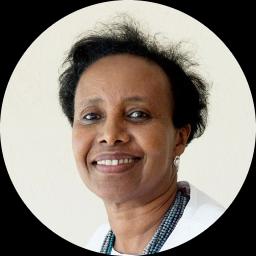
15 years in practice BACP English, French
Experienced counsellor for stress and mood
- Stress & Anxiety
- Trauma and Abuse
- Anger
UK counsellors online
127 counsellors list Eye Movement Desensitization and Reprocessing (EMDR) among their approaches. Listing an approach is not evidence of training in it; ask directly how they use it.
Eye Movement Desensitization and Reprocessing (EMDR) is a structured therapeutic approach used to help people process distressing memories and reduce their ongoing emotional impact. Below you can browse therapists who list EMDR among their approaches to find counsellors with the focus, experience and languages that suit you.
15 years in practice BACP English, French
Experienced counsellor for stress and mood
BACP
7 years in practice BACP English, Polish
Compassionate counsellor for steady recovery
BACP
26 years in practice BACP English, Arabic
Experienced counsellor supporting trauma and depression
5 years in practice BACP English, Punjabi
Compassionate counsellor for low mood and anxiety
BACP
13 years in practice BACP
Compassionate, practical therapy for everyday struggles
5 years in practice NCPS English, Polish
Integrative trauma-informed counselling and hypnotherapy
NCPS
4 years in practice NCPS
Supportive counsellor for depression and stress
4 years in practice NCPS
Calm practical therapy for difficult problems
BACP
15 years in practice BACP
Experienced counsellor for mood and trauma
BACP
5 years in practice BACP English, Bengali
Compassionate counsellor for relationship and mood concerns
BACP
12 years in practice BACP
Compassionate counsellor for mood and stress
NCPS
10 years in practice NCPS English, Afrikaans
Compassionate, practical therapy for everyday struggles
NCPS
6 years in practice NCPS
Compassionate counsellor for practical change
BACP
16 years in practice BACP English, Russian
Compassionate counsellor combining practical therapies
NCPS
17 years in practice NCPS
Practical, compassionate psychotherapy for everyday struggles
BACP
3 years in practice BACP
Compassionate relational counselling for healing
NCPS
10 years in practice NCPS
Calm guidance for life changes
27 years in practice BACP
Experienced counsellor focused on practical change
BACP
7 years in practice BACP English, Persian
Counsellor for depression and relationships
BACP
13 years in practice BACP English, Ndebele, South
Experienced humanistic psychotherapist
5 years in practice NCPS English, Yoruba
Calm, practical support for everyday struggles
BACP
10 years in practice BACP
Compassionate counsellor for life changes
BACP
30 years in practice BACP
Experienced counsellor focusing on practical change
BACP
9 years in practice BACP
Experienced counsellor for trauma and life change
BACP, NCPS
5 years in practice BACP, NCPS English, Yoruba
Compassionate counsellor for complex life challenges
BACP, NCPS
10 years in practice BACP, NCPS
Practical support for anxiety and depression
BACP
11 years in practice BACP
Practical, person-focused counselling for everyday struggles
BACP
14 years in practice BACP English, Indonesian
Calm, practical support for stress and depression
BACP
4 years in practice BACP
Compassionate counsellor focused on practical change
BACP
3 years in practice BACP English, Central Khmer
Compassionate counsellor with mindfulness roots
9 years in practice BACP
Calm, practical counselling for life's tough moments
NCPS
15 years in practice NCPS
Calm, practical support for difficult times
NCPS
5 years in practice NCPS
Supportive counsellor for depression and stress
BACP
5 years in practice BACP
Supportive psychotherapist for adults and adolescents
NCPS
6 years in practice NCPS
Experienced person-centred counsellor with practical tools
BACP
3 years in practice BACP
Calm, collaborative counselling for everyday struggles
BACP
19 years in practice BACP
Calm support for life’s painful moments
BACP
9 years in practice BACP English, German
Understanding therapist for depression and trauma
BACP
8 years in practice BACP English, Hindi
Calm, practical counselling for depression
BACP
26 years in practice BACP
Experienced counsellor helping with depression and life change
BACP
22 years in practice BACP English, Punjabi
Gentle, practical support for tough times
BACP
32 years in practice BACP English, Hindi
Experienced counsellor for mood and trauma recovery
NCPS
6 years in practice NCPS
Calm, practical support for emotional recovery
BACP
30 years in practice BACP
Calm, practical support for life’s hard moments
BACP, NCPS
17 years in practice BACP, NCPS
Calm, practical therapy for troubled mood
BACP
5 years in practice BACP
Practical, respectful counselling for everyday struggles
BACP
7 years in practice BACP
Compassionate counsellor for depression and trauma
BACP
8 years in practice BACP English, Romanian
Calm, practical support for life's challenges
We will earn a commission if you sign up through our link, at no cost to you.
EMDR stands for Eye Movement Desensitization and Reprocessing. It is built on the view that distressing experiences can become stored in the mind in a way that keeps their associated emotions, thoughts and bodily sensations active. The aim of EMDR is to help the brain process those memories so they feel less disruptive in your daily life. Rather than relying only on extended verbal exploration, EMDR uses a structured set of phases that combine discussion, memory-focused work and forms of bilateral stimulation - such as guided eye movements, taps or auditory tones - to support processing.
Practitioners who use EMDR as part of their work often describe the process as facilitating your natural ability to integrate information. You and the counsellor identify specific memories, images or beliefs that feel stuck, then follow a phased programme that helps you notice changes in how the memory is experienced. The sessions are paced so you retain control over the process, and the therapist works with you to develop coping strategies and grounding techniques as needed. The goal is to change the emotional charge of targeted memories and to strengthen more adaptive beliefs about yourself and your experiences.
EMDR is frequently used by counsellors for people who have distress linked to traumatic or disturbing life events. This includes single incidents such as accidents or assaults, and also repeated or prolonged adversity like childhood maltreatment or ongoing relationship harm. Many clients seek EMDR when intrusive memories, vivid images or persistent negative beliefs about themselves follow an upsetting experience. Counsellors who list EMDR among their approaches may offer it alongside other methods to address the range of emotional and behavioural responses you experience.
Beyond trauma, EMDR is used in work with anxiety-related difficulties where specific memories or images maintain fear or avoidance. It can be applied to phobias, panic-related memories, complicated grief where a particular moment is repeatedly replayed, and distress that intersects with depressive symptoms. While not every problem is memory-centred, if you notice a link between past events and current reactions, EMDR is one approach therapists may use to target those associations in a structured way.
Your engagement with EMDR usually begins with careful assessment. The counsellor will talk with you about your history, current difficulties and what you hope to change. Preparation is important - you will work on stabilising skills so that you have ways to manage strong emotions between sessions. Together you and the counsellor identify target memories and the associated negative beliefs and physical sensations to be addressed. This preparatory phase sets the pace and ensures the work proceeds in a way that feels manageable for you.
When you begin reprocessing, the counsellor will ask you to focus on a specific memory while using bilateral stimulation. You will be invited to notice whatever images, thoughts, emotions and body sensations arise and to report back intermittently. The stimulation is applied in brief sets and is followed by pauses to observe any changes. Over several sets you may notice shifts in how you feel or think about the memory. Sessions typically end with a grounding phase so you leave in a stable state, and later meetings will review progress, reinforce gains and address any further targets. The number and spacing of sessions vary depending on the complexity of the issues and your individual needs.
Compared with open-ended talking therapies, EMDR tends to be more structured and goal-focused. It follows a phased model with clear steps from assessment to reprocessing and integration. That structure can make it easier to target specific memories or beliefs directly. While traditional talk therapies emphasise exploration of meaning and relational dynamics over time, EMDR places particular emphasis on the processing of memory networks and on helping you access adaptive information that may already exist but is not yet integrated.
EMDR shares some similarities with cognitive approaches and exposure-based work in that it can involve confronting distressing material in a supported way. However, the technique of bilateral stimulation and the focus on information processing differentiate it from standard prolonged exposure or cognitive restructuring. Some counsellors combine EMDR with cognitive techniques - for example, working on changing unhelpful beliefs while also using memory-processing phases. The choice of approach often depends on your preferences, the nature of the difficulty and how you and the counsellor agree to proceed.
EMDR may be appropriate if you have specific disturbing memories or patterns of images that feel linked to your current difficulties. It can be a helpful option when those memories keep being triggered or when they contribute to strong negative self-beliefs. It is important that you feel able to manage the emotions that arise, so many counsellors begin with stabilisation work. If you have complex or multiple difficulties, a phased approach with careful planning tends to be used. You should feel that your current circumstances and supports allow for psychological work - discussing your situation with a health professional can help clarify this.
When thinking about EMDR, consider how you prefer to work, whether you want in-person sessions or remote appointments, and what languages and cultural perspectives will make you feel understood. You may also want to think about how the counsellor describes their approach and how they involve you in decision-making about targets and pacing. The right timing and a strong working relationship tend to matter as much as the specific technique chosen.
Start by looking for counsellors who list EMDR among their approaches and then read their profiles to learn about their areas of focus and experience. In the UK, many counsellors are registered with recognised professional bodies; you can check that a counsellor is registered or accredited with a national association and read about their general qualifications. When you contact a counsellor, ask how they integrate EMDR into their practice, how they approach preparation and pacing, and what therapeutic goals they prioritise. You might want to enquire about the typical structure of sessions and how follow-up is managed so you get a clear sense of how the work unfolds.
Finding the right counsellor is as much about fit as it is about technique. Notice whether the counsellor's communication style, specialisms and cultural competence feel aligned with your needs. Consider practical factors such as session length, fees, whether you prefer face-to-face or online work, and any language requirements. Reading profiles, looking at focus areas and comparing approaches can help you narrow options. Meeting a counsellor for an initial conversation can give a stronger sense of whether you feel able to work with them on EMDR-related goals.
If you decide to explore EMDR with a counsellor who lists it among their approaches, you should feel empowered to ask questions about how they plan sessions, how progress will be monitored and how any emotional reactions between sessions will be managed. A clear, collaborative discussion at the outset helps set expectations and supports a constructive therapeutic process as you work on the memories and beliefs that matter most to you.