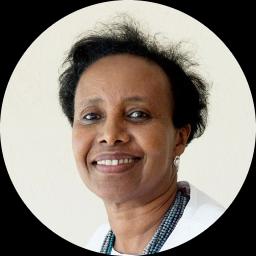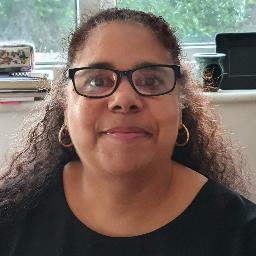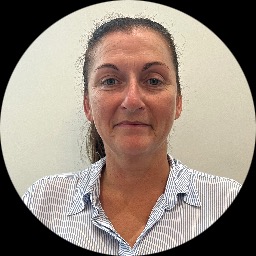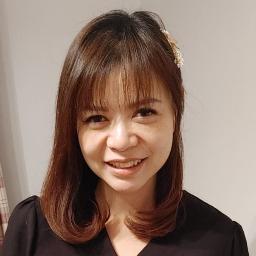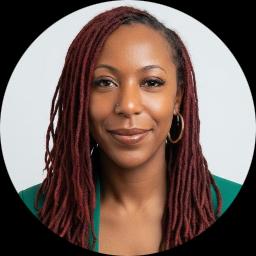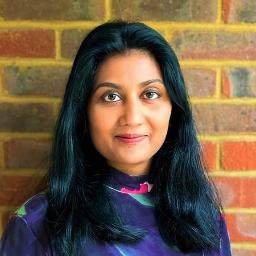
Sana Khwaja
BACP
5 years in practice BACP
Compassionate counsellor for low mood and life changes
- Addictions
- LGBT
- Trauma and Abuse
UK counsellors online
1,114 counsellors name multicultural concerns among the things they work with. All offer sessions online across the United Kingdom; each profile shows their register, experience and languages.
Find counsellors who specialise in multicultural concerns, including cultural identity, migration, race and intersectional experiences. Browse profiles below to explore professional registration, languages spoken and counselling approaches that may match your needs.
BACP
5 years in practice BACP
Compassionate counsellor for low mood and life changes
BACP, NCPS
9 years in practice BACP, NCPS
Compassionate counsellor for everyday struggles
NCPS
7 years in practice NCPS
Supportive counsellor for life changes
3 years in practice BACP English, Spanish
Practical, compassionate counselling for depression and stress
11 years in practice BACP English, French
A steady, thoughtful counsellor for lasting change
NCPS
4 years in practice NCPS
Practical, creative support for depression and stress
NCPS
11 years in practice NCPS
Compassionate counsellor for stress and depression
BACP
3 years in practice BACP
A practical counsellor for everyday struggles
BACP
6 years in practice BACP English, Thai
Warm culturally aware counsellor
NCPS
6 years in practice NCPS
Compassionate counsellor for depression and life changes
NCPS
3 years in practice NCPS English, Spanish
Compassionate person-centred counsellor
BACP, NCPS
5 years in practice BACP, NCPS
Practical, values-led counselling and CBT support
15 years in practice BACP English, French
Experienced counsellor for stress and mood
BACP
19 years in practice BACP
Compassionate counsellor for everyday struggles
BACP
6 years in practice BACP
Skilful, steady presence for lasting change
BACP
27 years in practice BACP English, Portuguese
Empathetic counsellor for life and relationship challenges
BACP
15 years in practice BACP English, Yoruba
Calm, practical support for life's challenges
BACP
14 years in practice BACP
Supportive person-centred counsellor
BACP
9 years in practice BACP
Person-centred counsellor for everyday struggles
BACP
3 years in practice BACP English, Tagalog
Calm, practical counselling for everyday struggles
NCPS
5 years in practice NCPS
Calm, practical therapy for daily struggles
BACP
17 years in practice BACP English, Italian
Warm, multicultural counsellor focused on meaningful change
BACP
9 years in practice BACP
Compassionate counsellor supporting personal growth
BACP
14 years in practice BACP
Calm, practical counselling for depression and relationships
BACP
6 years in practice BACP English, French
Compassionate counsellor for mood and life struggles
BACP, NCPS
18 years in practice BACP, NCPS English, Spanish
Experienced counsellor offering practical support
BACP
4 years in practice BACP English, Ndebele, South
Calm, non-judgemental counsellor for life changes
BACP
3 years in practice BACP
Calm, practical counselling for everyday struggles
BACP
3 years in practice BACP
Compassionate, practical support for life's hard moments
BACP
26 years in practice BACP English, Arabic
Experienced counsellor supporting trauma and depression
BACP
16 years in practice BACP
Experienced counsellor supporting depression recovery
5 years in practice BACP English, Punjabi
Compassionate counsellor for low mood and anxiety
5 years in practice BACP
Compassionate relational counselling for everyday life
BACP
18 years in practice BACP
Person-centred counsellor for life changes
BACP
5 years in practice BACP
Compassionate counsellor for life transitions and mood
BACP
21 years in practice BACP
Experienced counsellor for anxiety and depression
NCPS
4 years in practice NCPS
Practical, compassionate counselling for daily struggles
BACP
20 years in practice BACP
Warm person-centred counsellor for depression and stress
BACP
5 years in practice BACP
Warm counsellor blending coaching and therapy
BACP
5 years in practice BACP
Hopeful listening and steady support
BACP, NCPS
3 years in practice BACP, NCPS
Compassionate counsellor for life changes
NCPS
5 years in practice NCPS English, Mandarin
Practical, compassionate support for low mood
BACP
4 years in practice BACP
Practical, person-focused counselling for depression
BACP
13 years in practice BACP
Experienced integrative counsellor
10 years in practice BACP
Supportive therapist who values practical change
BACP
18 years in practice BACP English, Mandarin
Experienced counsellor focusing on emotional and relationship health
BACP
6 years in practice BACP
Kind, practical counsellor for everyday struggles
BACP
3 years in practice BACP English, Tamil
Calm, practical counselling for everyday struggles
We will earn a commission if you sign up through our link, at no cost to you.
Multicultural concerns refers to the range of emotional and relational challenges that arise at the intersection of culture, identity and belonging. You might experience these issues through questions about cultural identity, the impact of migration and resettlement, intergenerational differences in values and expectations, or the stress of navigating prejudice and discrimination. These experiences can shape how you relate to family, work, community and yourself. They may influence mood, confidence, sense of belonging and how you make decisions about relationships and career. For many people the challenge is not only the events themselves but the ongoing negotiation of self in contexts that do not always feel inclusive or understood.
When you seek counselling for multicultural concerns you are asking for a space to explore the cultural layers of your life - language, faith, ethnicity, nationality and social class - and how these interact with mental and emotional wellbeing. Counselling can help you understand patterns that developed in response to cultural transitions, whether that is adapting to life in the UK, managing expectations across generations or coping with experiences of exclusion. Because cultural experience is dynamic, your counsellor should be able to hold complexity - acknowledging both strengths rooted in culture and the challenges it can present in a different social environment.
There are several ways multicultural concerns might show up for you. You may feel persistent anxiety or low mood linked to identity questions, or notice strain in relationships where cultural expectations clash. You might struggle with a sense of not belonging at work or in your local community, or feel pressure from family to conform to values that conflict with your own. Experiences of discrimination, microaggressions or overt racism can lead to hypervigilance, withdrawal or anger that is difficult to process alone. Migration-related stresses such as loss of social networks, language barriers, or uncertainty about legal and economic matters can also affect your emotional health.
If you find it hard to talk openly about your background, or if previous counselling felt like it missed important cultural dimensions of your life, that can be a sign that a counsellor who specialises in multicultural concerns may help. You might also notice practical symptoms - difficulties sleeping, concentration problems, or avoidance of situations that remind you of painful cultural experiences. Wanting to explore identity, reclaim a sense of belonging, or address the impacts of discrimination are all valid reasons to seek support.
When you begin work with a counsellor for multicultural concerns the early sessions usually focus on building a therapeutic relationship and developing a shared understanding of what matters to you. You can expect to talk about your personal history, cultural background, family dynamics and the situations that lead you to seek help now. A counsellor will typically ask about practical matters like how you prefer to communicate, any language needs, and whether you want family or community members involved in some way. You should be able to explore identity questions at your own pace, including the emotional weight of migration, loss of familiar supports, or the pressure of belonging to multiple cultural worlds.
Therapy often involves reflecting on the meanings you attach to cultural experiences and how these affect your choices and relationships. You may revisit painful events to process emotions or work on strategies to manage stressors linked to discrimination and microaggressions. For some people sessions include practical problem-solving around issues such as navigating services, workplace dynamics or family negotiations. The pace and focus will depend on your goals - whether you want to build resilience, repair relationships, understand identity transitions, or manage the emotional impact of societal prejudice.
Counsellors working with multicultural matters draw from a range of approaches and often combine perspectives to match your needs. Many practitioners draw on cognitive behavioural ideas to address unhelpful thinking patterns that relate to self-worth and belonging, while person-centred work can create a supportive space for exploring identity and personal values. Narrative approaches are frequently used to separate you from limiting stories you may have internalised about race, migration or cultural expectations, and systemic thinking can help when family roles and community pressures are central to the issues you face.
Some counsellors describe trauma-informed or trauma-focused methods among their approaches when early experiences or more recent incidents of harm have affected wellbeing. Therapists who list EMDR among their approaches or mention other specific methods should be considered as offering those methods on the basis of their profile, rather than as an endorsement of training credentials. When reading profiles it helps to note how counsellors talk about culture - whether they explicitly centre issues of race, migration and identity, and whether they mention linguistic ability or lived experience that resonates with you. Also look for information about professional registration with bodies such as BACP, HCPC or NCPS so you can understand the standards they work to.
Online counselling can be an effective way to access practitioners who specialise in multicultural concerns, particularly if you are looking for someone who speaks your language or understands your cultural background but does not live nearby. Sessions typically take place over video call, phone or text-based messaging, and many counsellors offer an initial online conversation to check fit and practicalities. When you choose online care consider how you will manage privacy at home, the technology you will use, and whether you prefer video interaction or phone calls. You may find that being in your own environment helps you feel more comfortable talking about sensitive identity issues, or that a face-to-face meeting feels necessary for certain topics - discuss these preferences with a counsellor.
When choosing a counsellor for multicultural concerns pay attention to how they describe their approach to culture and identity. Read profiles for mention of languages spoken, areas of cultural knowledge, and whether they have experience with migration, race-related stress or intergenerational dynamics. Look at their professional registration and any stated specialisms, and consider whether their therapeutic style - reflective, practical or exploratory - fits what you want. It is reasonable to ask about how they handle cultural differences in sessions and how they support clients when experiences of discrimination or racism come up. If you rely on interpreting services or would prefer a counsellor who shares a language or cultural background, check profile details and mention this in your initial contact. Finally, consider practical matters such as session length and fee structure and ask how they approach safeguarding and crisis support so you know what to expect between appointments.
Finding the right counsellor is often about fit rather than credentials alone. You may prefer someone who has lived experience of cultural transition, or a counsellor who demonstrates clear curiosity about your cultural context and avoids assumptions. Trust your response to the way a counsellor speaks about race, faith and identity on their profile and during initial conversations. If you feel heard and understood about cultural matters, that is a strong indicator the therapeutic relationship can support meaningful work. If it does not feel right, it is reasonable to look for another counsellor whose perspective aligns more closely with your needs.
Ultimately, counselling for multicultural concerns is about creating a thoughtful space to explore who you are in relation to culture, community and society. Whether you are managing the fallout of discrimination, negotiating identity across generations, or simply seeking clarity about belonging, working with a counsellor who recognises the cultural layers of your life can help you move towards greater understanding and practical ways of living that feel authentic to you.